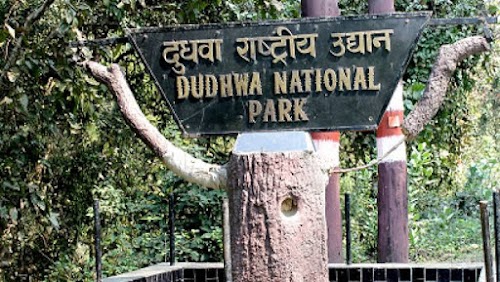
National Park – This is Dudhwa National Park, a protected area in the Terai belt of Uttar Pradesh, India. It's a key part of the larger Dudhwa Tiger Reserve, known for its rich biodiversity and significant conservation efforts. I see it as a vital sanctuary for many endangered species.
Why people come here
Wildlife Discovery – People primarily come here for the incredible opportunity to spot diverse wildlife, especially the majestic Bengal tiger and the one-horned rhinoceros. It's also a paradise for birdwatchers and nature photographers seeking to capture the raw beauty of the Terai ecosystem.
What to expect
Natural Immersion – You can expect an immersive experience in dense forests, sprawling grasslands, and marshy wetlands. The atmosphere is generally tranquil, punctuated by the sounds of the jungle. It's an ideal destination for those who appreciate untamed nature and wildlife in its natural habitat.
Best time to go
Cooler Months – The best time to visit Dudhwa National Park is generally between November and May. During these months, the weather is cooler and drier, making wildlife spotting easier as animals venture out more frequently for water. The park usually closes during the monsoon season.
What to do here
Jungle Safaris – I recommend experiencing the park through guided jeep safaris, which offer the best chance to observe its diverse inhabitants.
Elephant Rides – In some areas, elephant safaris are available, providing a unique perspective and access to parts of the park that jeeps cannot reach.
Birdwatching – With over 400 species, including migratory birds, it's a prime location for bird enthusiasts to spend hours observing and photographing.
Practical info
Permits & Guides – Entry to the park and safaris require permits, which can often be arranged through forest department offices or local tour operators. It's essential to hire an authorized guide for safaris.
Safety First – Always follow your guide's instructions, maintain a safe distance from wildlife, and avoid making loud noises. The terrain is mostly flat but can be uneven in places, especially during safaris.
Accessibility – The park is accessible by road, with the nearest major towns like Lakhimpur Kheri and Palia Kalan serving as entry points.
Good to know
Conservation Success – Dudhwa National Park is notably home to a successful reintroduction program for the one-horned rhinoceros.
Swamp Deer Haven – It also holds one of the largest populations of Barasingha, or swamp deer, in the world, making it a crucial conservation site for this species.