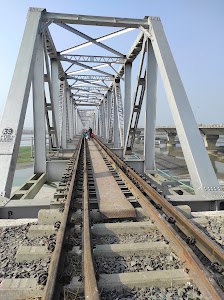
Major River – I see the Koshi River is a trans-boundary river that flows through Nepal and then into Bihar, India. It's a significant tributary of the Ganges River and is known for its dynamic and often unpredictable nature.
Why people come here
Livelihood & Nature – People primarily come to the Koshi River for its role in irrigation and fishing, supporting local livelihoods. It's also a place for those interested in observing the natural landscape of a powerful Himalayan river.
What to expect
Dynamic Environment – You can expect a vast and ever-changing riverine landscape. The Koshi is often referred to as the "Sorrow of Bihar" due to its historical tendency to change course and cause floods, so be prepared for a powerful and sometimes untamed natural environment. The area around it is largely rural.
Good to know
Shifting Course – The Koshi River is famous for its frequent changes in course, which have shaped the geography and lives of the people in the region over centuries. This dynamic behavior makes it a fascinating subject for geographical study.
What to do here
Observation & Local Life – Here, you can engage in activities like observing the river's flow, watching local fishing practices, and experiencing the rural life along its banks. It's a place for quiet contemplation rather than active recreation.
Safety and preparedness
Awareness & Caution – Due to its history of flooding and strong currents, it's essential to exercise caution near the riverbanks, especially during the monsoon season. Always be aware of local conditions and heed any warnings.
Accessibility and effort level
Rural Access – Access to the Koshi River generally involves traveling through rural areas of Bihar. The effort level is typically low for viewing from established points, but exploring closer to the water might require navigating uneven terrain.