
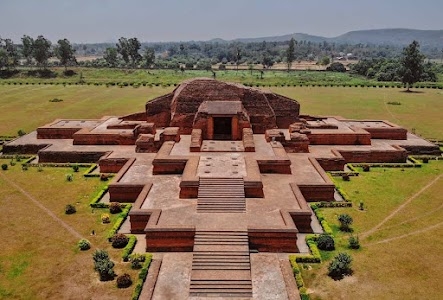



Vikram Shila
What is this place? – I see Vikram Shila as a significant archaeological site in Antichak, Bihar, India, representing the ruins of an ancient Buddhist monastery and learning center. It was once a prominent hub for Buddhist education and culture in ancient India.
Historical background
Ancient University – Vikram Shila was one of the two most important centers of Buddhist learning in India during the Pala Empire, alongside the renowned Nalanda University . It was established in the late 8th or early 9th century by King Dharmapala and flourished for about four centuries. The university was particularly famous for its teachings in Tantric Buddhism.Key highlights
Monastic Complex – Here, you can explore the excavated ruins of the monastic complex. The site features a large central stupa, numerous smaller stupas, monastic cells, and a library. The architecture reflects the distinctive style of the Pala period. I recommend looking for the intricate terracotta plaques that once adorned the structures, depicting various Buddhist deities and scenes.Why people come here
Historical Exploration – People typically visit Vikram Shila to delve into ancient Indian history and Buddhist heritage. It offers a unique opportunity to walk through the remains of a once-great university and imagine the intellectual and spiritual life that thrived here centuries ago. It's a place for those interested in archaeology, religious history, and cultural exploration.What to expect
Serene Ruins – You can expect a relatively quiet and reflective atmosphere amidst the sprawling ruins. The site is generally not overly crowded, allowing for a peaceful exploration. It's suitable for history enthusiasts, students, and anyone seeking a deeper understanding of India's Buddhist past. The experience is primarily about observation and contemplation.Best time to go
Cooler Months – The best time to visit Vikram Shila is generally during the cooler, drier months, from October to March. The weather during this period is more pleasant for exploring the outdoor archaeological site. Avoid the hot summer months (April to June) and the monsoon season (July to September) when heavy rains can make exploration difficult.Practical info
Daylight Hours – The site is typically open during daylight hours. I recommend allocating at least 1.5 to 2 hours to comfortably explore the main areas. There are usually basic facilities available, and parking is often found nearby. It's advisable to wear comfortable walking shoes as you'll be traversing uneven terrain.Good to know
Terracotta Art – While exploring, pay close attention to the terracotta sculptures and plaques. These artistic elements provide valuable insights into the daily life, religious beliefs, and artistic styles of the Pala period. Many of these artifacts are now housed in museums, but some remain embedded in the ruins.