
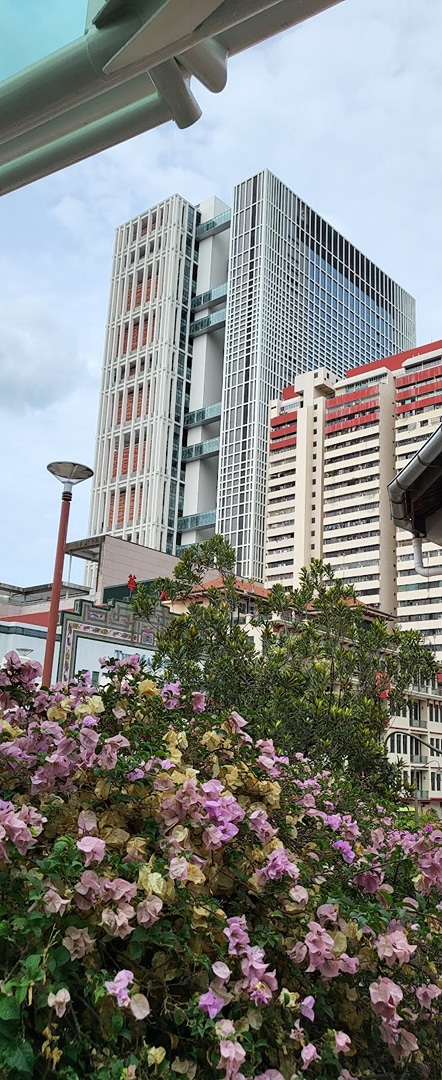



Chinatown, Singapore
**What is this place?** – Chinatown, Singapore is a historic ethnic enclave that showcases the rich cultural heritage of Singapore's early Chinese immigrants. It's a vibrant district where tradition meets modernity, offering a glimpse into the past while being a bustling contemporary hub.
**Why people come here** – People typically visit Chinatown to experience its unique blend of history, culture, food, and shopping. It's a popular destination for exploring traditional shophouses, visiting ancient temples, savoring local delicacies, and finding unique souvenirs.
**What to expect** – Here, I expect a lively and colorful atmosphere, often bustling with both locals and tourists. You'll find narrow streets filled with market stalls, traditional Chinese architecture, and a mix of historical sites alongside modern shops and eateries. The crowd levels can vary but are generally high, especially on weekends and evenings.
**Best time to go** – The evenings are generally best for experiencing the vibrant night market and enjoying outdoor dining. Weekdays during the day can be less crowded if you prefer a more relaxed exploration.
**Practical info** – Chinatown is easily accessible via public transport, with several MRT stations serving the area, including Chinatown MRT Station . It's best explored on foot, so comfortable shoes are recommended. While generally safe, it's always wise to be mindful of your belongings in crowded areas.
**Good to know** – This area is home to several significant landmarks, including the Buddha Tooth Relic Temple and the Sri Mariamman Temple , Singapore's oldest Hindu temple, showcasing the multicultural fabric of the district.
**Best buys** – You'll find a wide array of souvenirs, traditional crafts, teas, and herbal medicines. The street markets are great for bargain hunting, while the shophouses offer more curated selections.
**Bargaining and payment tips** – Bargaining is common in the street stalls and smaller shops, especially for souvenirs. Most larger establishments and restaurants accept credit cards, but it's always good to have some cash for smaller purchases or street vendors.
**Crowd patterns** – The area is typically busiest in the evenings and on weekends, particularly around dinner time and when the night markets are in full swing. Weekday mornings and early afternoons tend to be quieter.
