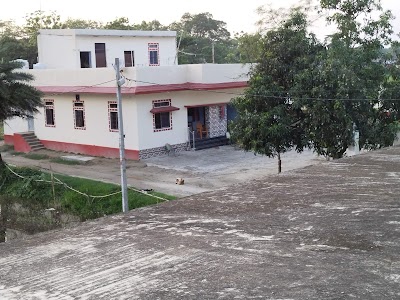
Village & Mythological Site – Punarwara is a serene village nestled in the Sitamarhi district of Bihar, India. I recognize it as a place deeply intertwined with ancient Indian mythology, particularly the Hindu epic Ramayana. It holds a significant place in the hearts of devotees and history enthusiasts alike.
Why people come here
Pilgrimage & Heritage – Many visitors come to Punarwara primarily for pilgrimage, drawn by its sacred connections to Goddess Sita. It's a destination for those seeking spiritual solace, exploring mythological roots, and experiencing the cultural heritage of the region.
Spiritual & Historical Significance
Sita's Discovery – Punarwara is widely believed to be the sacred spot where Sita, the consort of Lord Rama, was discovered by King Janaka. The prominent Punaura Dham Janaki Mandir stands as a testament to this legend, attracting devotees who wish to pay homage at this revered site. This connection makes it a pivotal location in the Ramayana circuit.
What to expect
Tranquil & Devotional – I find that visitors to Punarwara can expect a tranquil and devotional atmosphere. The area is generally peaceful, with the sounds of prayers and local life. You'll likely encounter local devotees and pilgrims, especially around the temple premises, experiencing a simple yet profound spiritual environment.
Visitor Etiquette
Respectful Conduct – When visiting sacred sites like the Punaura Dham Janaki Mandir, I recommend dressing modestly, covering shoulders and knees. It's customary to remove your footwear before entering the temple sanctum. Maintaining a respectful demeanor and avoiding loud conversations is also appreciated.
Good to know
Festive Vibrancy – The village and its temple come alive during major Hindu festivals, particularly during Ram Navami, Sita Navami, and Vivah Panchami. These times offer a vibrant display of local traditions, rituals, and community gatherings, providing a deeper insight into the region's cultural fabric.
Practical info
Accessibility & Seasons – Punarwara is generally accessible by road from Sitamarhi city. The best time to visit is typically during the cooler, drier months from October to March, as Bihar's summers can be quite hot and monsoons bring heavy rainfall. Facilities are generally basic, reflecting the rural setting.