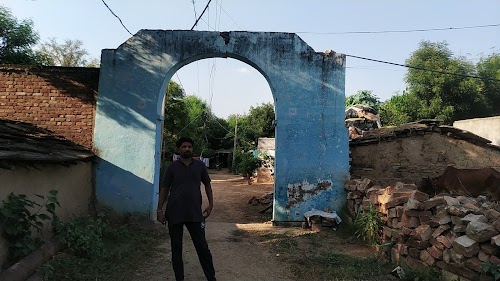
Spiritual Hub – This is a spiritual sanctuary, often referred to as "Guru ka ghar," which translates to "House of the Guru." It serves as a central place for devotion, community gathering, and reflection for followers of its spiritual traditions.
Why people come here
Seeking Peace – Visitors typically come here to engage in prayer, meditation, and to find a sense of peace and spiritual solace. It also serves as a community hub where people gather for collective worship and to partake in shared meals.
Spiritual or cultural significance
Sacred Teachings – As a "Guru ka ghar," this place is deeply rooted in the teachings and philosophy of its spiritual lineage. It embodies principles of equality, selfless service (seva), and community spirit, making it a revered site for its devotees.
What to expect
Calm Atmosphere – I find that you can generally expect a serene and welcoming atmosphere here. The environment is typically conducive to quiet contemplation and respectful interaction. You might experience devotional music or hymns, creating a peaceful backdrop for your visit.
Visitor etiquette
Respectful Conduct – When visiting, it is generally expected to remove your shoes before entering the main prayer hall and to cover your head as a sign of respect. Modest attire is advisable. Maintaining a quiet demeanor and refraining from loud conversations helps preserve the sanctity of the space.
Practical info
Open to All – This type of spiritual place is typically open to all visitors, regardless of their background or beliefs. Entry is usually free. While specific timings may vary, these centers often operate from early morning until late evening.
Good to know
Community Meals – Many "Guru ka ghars" offer a community kitchen, known as 'langar,' where free vegetarian meals are served to all visitors, symbolizing equality and selfless service. This is a unique aspect of the experience that fosters communal harmony.