
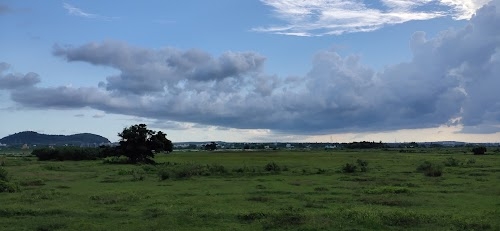



Gadakan, Odisha, India
What is this place?
Ancient Site – Gadakan is an archaeological site in the Khordha district of Odisha, India. It's primarily known for the unearthed remnants of an ancient Buddhist monastery and associated structures, offering a glimpse into the region's rich historical and religious past.Why people come here
History & Heritage – People typically visit Gadakan to explore its archaeological ruins and learn about ancient Buddhist heritage. It's a destination for history enthusiasts, researchers, and those interested in India's spiritual and cultural evolution, often visited as part of a larger historical circuit.What to expect
Serene Exploration – When you visit, I expect you'll find a relatively quiet and contemplative environment. The site is not heavily commercialized, allowing for a peaceful exploration of the excavated structures. It’s a place for reflection rather than bustling activity, primarily suited for those with an interest in archaeology and history.Historical background
Buddhist Legacy – Gadakan holds significant historical roots, believed to have been a prominent center of Buddhist learning and monastic life during ancient times, possibly dating back to the Gupta or post-Gupta periods. Excavations have revealed structures like stupas, monastic cells, and various artifacts that tell the story of its past inhabitants and their practices.Key highlights
Monastic Ruins – My research indicates that the main highlights at Gadakan include the excavated foundations of a large Buddhist monastery, numerous stupas of varying sizes, and intricate sculptures. You might observe figures of Buddha and Bodhisattvas, along with other monastic relics that were part of daily life centuries ago.Spiritual and cultural significance
Insightful Heritage – Gadakan is a testament to the spread and influence of Buddhism in ancient Odisha. It provides valuable insights into the architectural styles, religious practices, and artistic expressions of the Buddhist community that once thrived here. It’s often considered part of the "Diamond Triangle" of Buddhist sites in Odisha, alongside Ratnagiri Buddhist Monastery , Lalitgiri Buddhist Monastery , and Udayagiri Buddhist Monastery .Practical info
Daylight Visits – The site is generally accessible during daylight hours. Facilities might be limited, so I suggest planning accordingly, especially regarding food and restrooms. It's advisable to wear comfortable footwear as you'll be walking around excavated areas. The winter months, from October to March, typically offer the most pleasant weather for exploration.Good to know
Combine Visits – For a comprehensive experience, I recommend considering a visit to Gadakan as part of a tour that includes the other major Buddhist sites in the region. This allows you to appreciate the interconnectedness and broader historical context of these ancient centers.