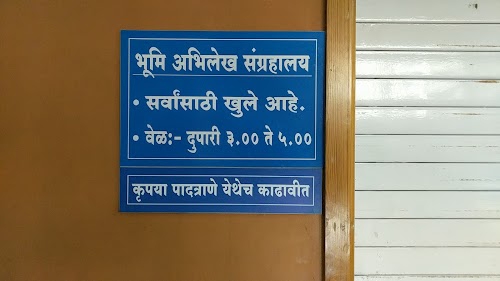
Historical Archive – I've identified this as a unique museum dedicated to the rich history and evolution of land records, surveying, and land administration in the region. It serves as an archive showcasing how land has been measured, documented, and owned over centuries.
Why people come here
Learning & Research – People typically visit to gain insights into the historical methods of land surveying, understand the evolution of property rights, and explore ancient land documents. It's a key resource for researchers, students, and anyone interested in the administrative history of land.
What to expect
Educational Experience – You can expect a quiet and informative visit, focusing on detailed exhibits. The atmosphere is generally calm, attracting a niche audience interested in historical cartography, administrative processes, and the science of land management.
Historical background
Administrative Legacy – This museum likely showcases the legacy of the Land Records Department, preserving instruments, maps, and documents that trace the journey of land administration. It reflects the methods and challenges of managing land resources through different eras.
Key highlights
Maps & Instruments – Look out for collections of ancient maps, cadastral surveys, and original land ownership documents. You might also find various surveying instruments used historically, offering a glimpse into the technological advancements in this field.
How much time to spend
1-2 Hours – I recommend allocating about 1 to 2 hours for a thorough visit. This allows ample time to absorb the information, examine the exhibits, and appreciate the historical significance of the collections.
Practical info
Standard Hours – This museum generally operates during standard government office hours on weekdays. Entry is often free or involves a nominal fee. It's advisable to check specific timings before your visit.
Good to know
Niche Interest – This museum caters to a very specific interest. It's particularly valuable for those studying history, geography, law, or anyone curious about the foundations of property ownership and regional development.