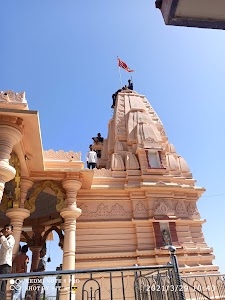
Temple – This is a Hindu temple, known as Maghoudiya Parivar Nu Bhavya Khodiyar Mandir, dedicated to the revered deity Khodiyar Mata. It serves as a significant spiritual center for devotees, particularly for the Maghoudiya family and the local community in Rafudad Moti.
Why people come here
Devotion – People typically visit this mandir to offer prayers, seek blessings from Khodiyar Mata, and participate in religious ceremonies. It's a place for spiritual solace and a focal point for community gatherings and celebrations.
What to expect
Peaceful Atmosphere – I find that visitors can expect a serene and devotional atmosphere here. It's generally a place for quiet reflection and worship, often bustling with devotees during specific prayer times or festivals.
Best time to go
Morning & Evening – The temple is typically most active during the morning and evening aarti (prayer) times. Visiting during these periods allows you to experience the collective devotion. Festivals dedicated to Khodiyar Mata would also be special times to visit.
Practical info
Respectful Conduct – As with most religious sites, I recommend observing local customs and maintaining a respectful demeanor. Specific timings for darshan (viewing the deity) may vary, so it's good to be aware of the general operating hours.
Spiritual or cultural significance
Khodiyar Mata Devotion – This temple holds deep spiritual significance, primarily as a place of worship for Khodiyar Mata, a revered goddess in many parts of Gujarat. For the Maghoudiya family, it represents a strong ancestral and devotional connection, embodying their faith and cultural heritage.
Visitor etiquette
Modest Dress – I advise visitors to dress modestly, covering shoulders and knees, as a sign of respect. Photography rules may vary, so it's always best to observe signs or ask if unsure. Maintaining silence or speaking softly is also appreciated inside the temple premises.
Good to know
Community Hub – Beyond its religious function, this mandir often acts as a community hub, fostering a sense of belonging and cultural continuity among the local populace and the extended Maghoudiya family.