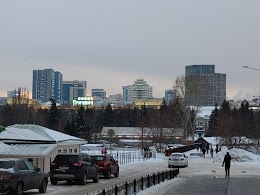
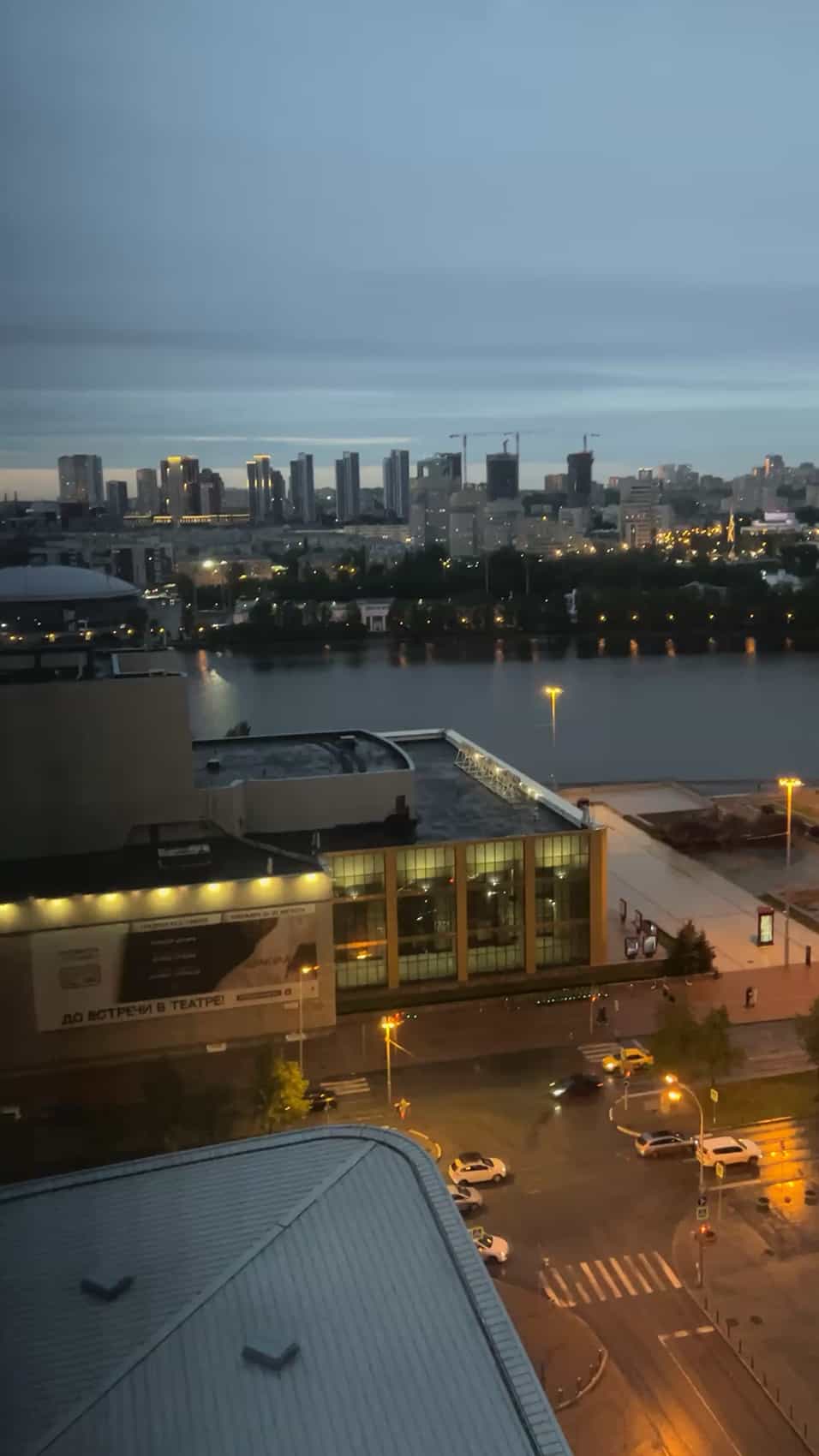
Major City – I know Yekaterinburg as a prominent Russian city situated in the central Ural Mountains, often recognized as the symbolic border between Europe and Asia. It holds the distinction of being Russia's fourth-largest city and serves as a vital industrial, cultural, and scientific center.
Why people come here
Historical Exploration – People typically visit Yekaterinburg to delve into its profound history, particularly its connection to the Romanov imperial family, and to experience a dynamic, modern Russian urban environment. It also acts as an important gateway to the broader Ural region.
What to expect
Vibrant Mix – Here, you can expect a city that beautifully blends historic landmarks with contemporary architecture and inviting green spaces. The atmosphere is generally lively, reflecting its status as a major economic and cultural hub, with a unique fusion of European and Asian influences.
Best time to go
Seasonal Preference – The warmer months, generally from June to August, offer the most pleasant conditions for exploring the city and its surrounding areas. For those who appreciate snowy vistas and winter activities, December to February provides a distinctly festive, albeit cold, experience.
Practical info
Easy Navigation – Navigating Yekaterinburg is quite convenient, thanks to its efficient public transportation network, including a metro system. While credit cards are widely accepted, I recommend carrying some local currency (Russian Ruble) for smaller vendors. Familiarity with basic Russian phrases can enhance your experience.
Good to know
Romanov Connection – Yekaterinburg is profoundly linked to the final days of Russia's last imperial family, the Romanovs. You'll find significant sites such as the Church on the Blood and the Ganina Yama Monastery , offering a poignant look into a pivotal moment in Russian history.