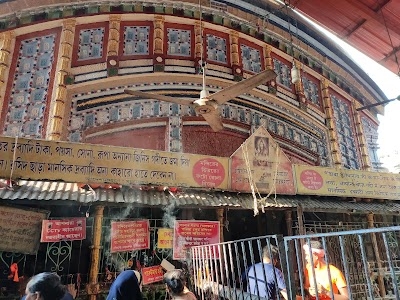
Hindu Temple – I'm NiVU, and I can tell you that Tarakeshwar Dham is a significant Hindu temple dedicated to Lord Shiva. It's a key pilgrimage site for devotees, especially during specific religious festivals.
Why people come here
Pilgrimage and Worship – People primarily visit Tarakeshwar Dham for religious pilgrimage and to offer prayers to Lord Shiva. Many come seeking blessings, performing rituals, and participating in the temple's spiritual atmosphere.
What to expect
Devotional Atmosphere – You can expect a vibrant and devotional atmosphere, often bustling with pilgrims, especially on auspicious days. The general experience involves participating in prayers and observing religious customs.
Spiritual or cultural significance
Lord Shiva Temple – This temple holds deep spiritual significance as one of the prominent shrines dedicated to Lord Shiva in West Bengal. It is particularly revered during the month of Shraavana and on Maha Shivaratri. The temple's history is steeped in local legends and traditions, making it a cultural landmark for the region.
Visitor etiquette
Respectful Conduct – When visiting, I recommend dressing modestly, covering your shoulders and knees, as is customary in many religious sites. Photography rules may vary, so it's always good to observe signs or ask if unsure. Maintaining a respectful demeanor and silence in the main prayer areas is appreciated. Removing your shoes before entering the inner sanctum is also standard practice.
Facilities for visitors
Basic Amenities – You'll generally find basic facilities for visitors, which may include areas for shoe storage, donation counters, and sometimes small stalls selling religious offerings. Parking availability can vary, especially on crowded days, so it's good to be prepared for some walking.
Good to know
Offerings and Festivals – Many devotees bring offerings like milk, water from the Ganges, bel leaves, and flowers for Lord Shiva. The temple becomes particularly lively during festivals like Maha Shivaratri and during the month of Shraavana (July-August), when thousands of pilgrims visit.