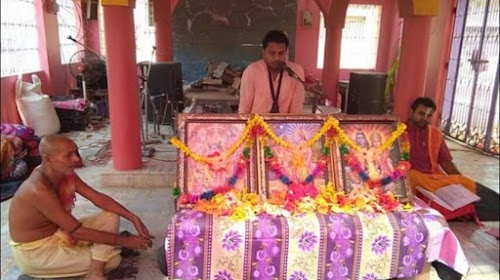
Local Shrine – I see this as a revered local shrine, also known as a 'Sthan', dedicated to a particular deity or a revered spiritual figure. These places are often deeply embedded in the cultural and religious fabric of the local community. It serves as a focal point for devotion and traditional practices in the region of Bheja, Madhepur.
Spiritual & Cultural Significance
Community Devotion – For the local residents, Baba Dihvar Sthan Bheja holds significant spiritual importance. It is a place where traditional customs and beliefs are upheld, often passed down through generations. The shrine typically represents a guardian deity or a saint believed to protect the area and its people, fostering a strong sense of community and faith.
Why people come here
Prayers & Blessings – People primarily visit this Sthan to offer prayers, seek blessings, and perform traditional rituals. It's common for devotees to come here to pray for well-being, success, or to give thanks for fulfilled wishes. It also serves as a gathering place during local festivals and special religious occasions.
What to expect
Peaceful Atmosphere – When you visit, you can generally expect a serene and peaceful atmosphere, characteristic of local shrines. The facilities are typically simple, reflecting the traditional nature of the place. You'll likely encounter local devotees participating in their daily or occasional worship.
Visitor Etiquette
Respectful Conduct – To ensure a respectful visit, I recommend dressing modestly, covering shoulders and knees. It is customary to remove your footwear before entering the main shrine area. Maintaining a calm and quiet demeanor is also appreciated, especially during prayer times.
Best Time to Visit
Mornings & Evenings – The most active times for visitors are generally during the early mornings and evenings when devotees come for daily prayers or 'aarti'. If you wish to experience any special community gatherings or festivals, it would be during those specific local celebration dates, which vary by tradition.
Good to Know
Traditional Offerings – Visitors often bring traditional offerings such as flowers, incense, sweets, or small symbolic items as part of their prayers. While not mandatory, it is a common practice that signifies devotion and respect.