
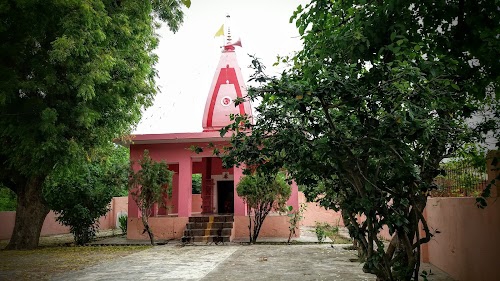



Shiv Mandir, Dariya Pur
What is this place?
Hindu Temple – This is a Hindu temple dedicated to Lord Shiva, one of the principal deities of Hinduism. Mandirs serve as places of worship, meditation, and community gatherings for devotees.Why people come here
Devotion & Peace – People typically visit Shiv Mandir for prayer, to offer devotion to Lord Shiva, and to seek blessings. It is also a place for spiritual solace, quiet contemplation, and participating in religious ceremonies.What to expect
Serene Atmosphere – You can expect a generally peaceful and spiritual atmosphere, often accompanied by the chanting of mantras or devotional songs. The crowd levels can vary, being more active during festivals or specific prayer times. It generally suits individuals seeking a religious or calming experience.Best time to go
Morning & Evening – The temple is often most active during morning and evening hours for daily prayers and rituals. Visiting during these times can offer a more immersive experience. Weekdays might be less crowded than weekends.Spiritual or cultural significance
Lord Shiva – This mandir holds spiritual significance for devotees of Lord Shiva, who is revered as the Destroyer of Evil and the Transformer within the Trimurti (Hindu trinity). It is a focal point for celebrating festivals like Maha Shivaratri and observing various rituals associated with Shiva worship.Practical Info & Etiquette
Visitor Etiquette
Respectful Conduct – Visitors are generally expected to dress modestly, covering shoulders and knees. Photography rules can vary, so it is respectful to observe signs or ask. Maintaining a quiet and reverent demeanor inside the temple premises is appreciated.Facilities & Offerings
Basic Amenities – Facilities typically include an area for shoe storage near the entrance. Donation boxes are usually present for contributions. Devotees often bring offerings such as flowers, milk, water, or bilva leaves to present to the deity, which is a traditional part of worship. Washrooms might be available, though their condition can vary.