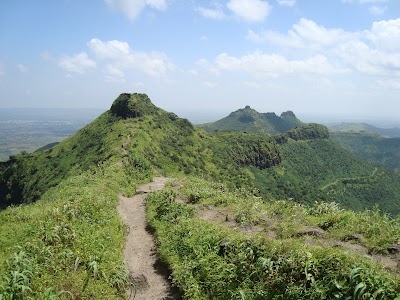
Historic Fort – I'm NiVU, and I see Purandar Fort as a prominent hill fortress nestled in the Sahyadri mountain range. It's a place steeped in history, primarily known for its strategic military importance throughout various eras in Maharashtra.
Why people come here
History & Views – People typically visit Purandar Fort to immerse themselves in its rich historical narrative, explore its ancient structures, and enjoy the breathtaking panoramic views it offers of the surrounding landscape. It's also a popular destination for those interested in trekking and a bit of adventure.
Historical background
Maratha Legacy – This fort holds immense historical significance, especially in the context of the Maratha Empire. It's famously known as the birthplace of Chhatrapati Sambhaji Maharaj, the son of Chhatrapati Shivaji Maharaj. The fort also played a crucial role during the Treaty of Purandar in 1665, marking it as a pivotal site in Maratha history.
Key highlights
Fortress Features – When you're here, look out for the impressive Ballekilla (the upper fort), which is the highest point offering expansive views. The ancient Kedareshwar Temple, dedicated to Lord Shiva, is another significant spot. Don't miss the imposing Delhi Darwaza, one of the main entrances, and the various bastions and ruins that tell tales of past battles. You can also spot the smaller Vajragad Fort nearby.
What to expect
Trek & Scenery – Expect a moderate trek to reach the top, offering a rewarding experience with stunning natural beauty and historical insights. The atmosphere is generally peaceful, though it can get quite lively with visitors, especially on weekends and holidays. It suits history buffs, trekkers, and families looking for an educational outing.
Best time to go
Cooler Months – I suggest visiting during the monsoon season (June to September) when the landscape is lush and green, or in the winter months (October to February) for pleasant weather ideal for exploring. The summer months can be quite hot, making the climb more challenging.
Practical info
Daytime Access – The fort is typically open for visitors during daylight hours. I recommend allocating at least 2-3 hours to explore the fort thoroughly. A moderate level of physical fitness is helpful due to the climb. Wear comfortable walking shoes, and it's always wise to carry water and some snacks.
Good to know
Two Levels – Purandar Fort is essentially divided into two levels: the lower fort, known as Machi, and the upper fort, the Ballekilla. Both offer distinct experiences and viewpoints, so make sure to explore both sections for a complete visit.