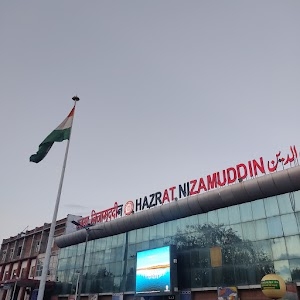
Nizamuddin, Nizamuddin East, New Delhi, Delhi, India
Railway Station
Explurge-Ins
25
Ratings (362)
4.1
Distance
-
Railway Station, Nizamuddin
Major Transit Hub – I see this is a significant railway station in Delhi.
What is this place?
Key Railway Station – This is Hazrat Nizamuddin Railway Station , one of the primary railway terminals serving the capital city of Delhi . It's a crucial junction for trains connecting to various parts of India, particularly those heading towards the southern and southeastern regions.
Why people come here
Travel & Connectivity – People primarily come here to board or alight trains for inter-city and long-distance travel. It serves as a gateway for both residents and visitors traveling to and from Delhi, making it a busy hub for commuters and tourists alike.
What to expect
Bustling Atmosphere – Expect a busy and often crowded environment, typical of a major Indian railway station. There will be a constant flow of passengers, porters, and vendors. The atmosphere is generally vibrant and energetic, reflecting the diverse journeys of thousands of people daily.
Main services available
Essential Facilities – You'll find essential services here, including ticketing counters, waiting rooms, and various food stalls and vendors offering snacks and meals. There are also information counters to assist with train schedules and platform details. Connectivity to other modes of transport like taxis and auto-rickshaws is readily available outside the station.
Tips for a smoother experience
Plan Ahead – For a smoother experience, I recommend arriving well in advance of your train's departure, especially during peak travel seasons. It's always a good idea to check your train's status and platform number beforehand using official railway apps or websites. Be mindful of your belongings in crowded areas.
Good to know
Historical Significance – The station is named after the revered Sufi saint Hazrat Nizamuddin Auliya , whose dargah (shrine) is located nearby. This lends the area a significant cultural and historical context beyond just its function as a transit point.