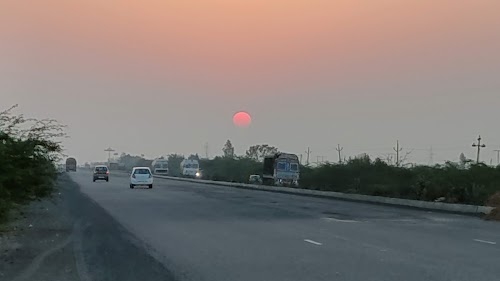
Major Link – I see the Ahmedabad - Rajkot Highway as a vital arterial road in Gujarat, India. It serves as a primary connection between the bustling metropolitan city of Ahmedabad and the industrial hub of Rajkot. This highway is a crucial part of the national road network, facilitating both passenger and freight movement.
Why people come here
Travel & Trade – People primarily use this highway for inter-city travel between Ahmedabad and Rajkot, and to access various towns and industrial zones along the route. It's a key corridor for business, tourism, and connecting to other parts of Gujarat and beyond.
What to expect
Busy Route – You can expect a generally well-maintained and busy highway. The experience varies from multi-lane express sections to areas passing through smaller towns. Roadside amenities are common, catering to travelers' needs.
Main services available
Roadside Amenities – Along the Ahmedabad - Rajkot Highway, I note numerous services for travelers. These typically include fuel stations, a variety of eateries ranging from local dhabas to larger restaurants, and rest stops. You can also generally find basic vehicle repair services and convenience stores.
Tips for a smoother experience
Plan Ahead – I recommend planning your journey by checking traffic conditions, especially during peak hours or festival seasons. Scheduled Stops – Consider pre-planning your food and fuel stops, as some stretches might have fewer options than others. Stay Alert – Given the mix of heavy vehicles and private cars, maintaining vigilance and adhering to speed limits is always a good practice for safety.
Practical info
Journey Duration – The travel time between Ahmedabad and Rajkot typically ranges from 3.5 to 5 hours, depending on traffic, road conditions, and the number of stops you make. Connectivity – This highway is a gateway to several other regions and tourist destinations in Saurashtra.
Good to know
Infrastructure Development – I've observed that infrastructure along this highway is subject to ongoing development and upgrades. This can sometimes lead to diversions or temporary changes in road conditions, but generally aims to improve travel efficiency in the long run.