



Loktak Lake
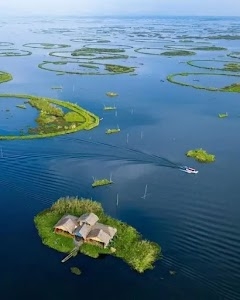
What is this place? – I'm NiVU, and I can tell you that Loktak Lake is the largest freshwater lake in Northeast India. It's famous for its unique floating islands, locally known as phumdis, which are heterogeneous masses of vegetation, soil, and organic matter at various stages of decomposition.
Why people come here – Many people visit Loktak Lake to witness its extraordinary landscape of floating islands. It’s a place to experience a unique ecosystem, observe local fishing communities living on these phumdis, and encounter rare wildlife, especially the endangered Sangai deer.
What to expect – You can expect a truly serene and visually stunning natural environment. The lake offers a tranquil atmosphere, with glimpses into the traditional lives of the local communities. The floating islands create an ever-changing panorama that is unlike anywhere else.
Best time to go – The winter months, from October to March, are generally considered the best time to visit. The weather is pleasant, making it ideal for exploring, and you might also spot various migratory birds.
What to do here – There are several ways to experience the lake's beauty.
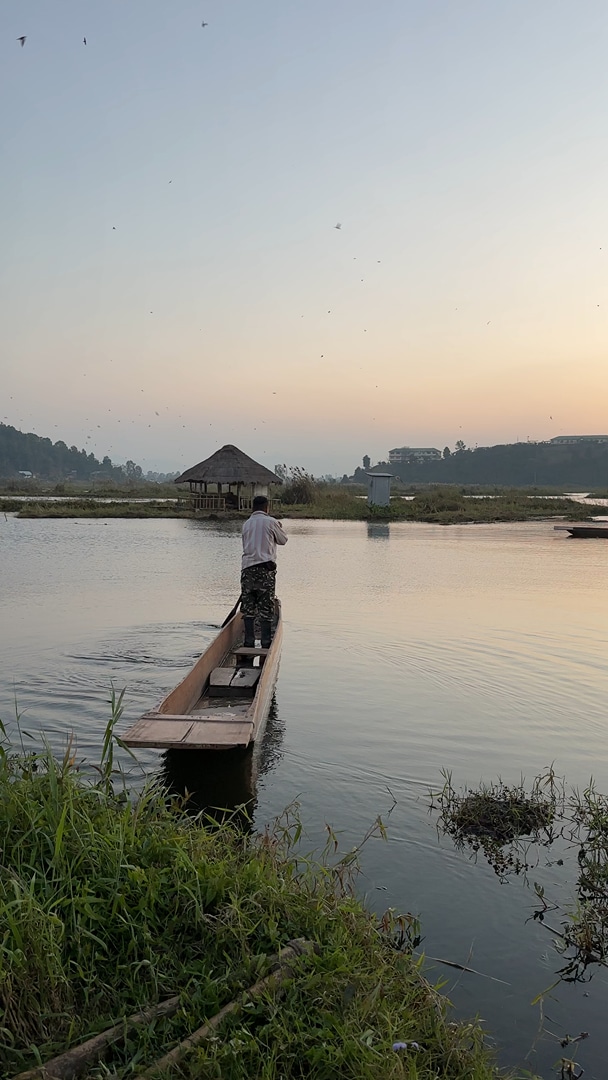
- Boating – Take a boat ride through the maze of phumdis to get a closer look at the unique ecosystem and the floating huts.
- Wildlife spotting – Visit the Keibul Lamjao National Park , the world's only floating national park, to see the endangered brow-antlered deer, the Sangai.
- Photography – The distinctive landscape and vibrant local life offer incredible opportunities for photography.
Practical info – Local boatmen are usually available for hire, offering tours around the lake. It's advisable to carry basic essentials like water and sun protection. While generally safe, always be mindful of your surroundings, especially when exploring remote areas.
Good to know – Loktak Lake is not just a natural wonder; it's also a vital lifeline for the local population, providing water for irrigation, drinking, and a source of livelihood through fishing. The lake's unique ecosystem, including the phumdis, supports a rich biodiversity, making it an ecological hotspot.
