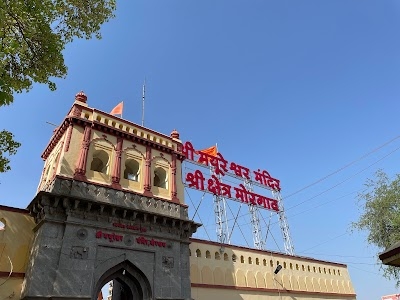
Ancient Temple – This is an ancient Hindu temple dedicated to Lord Ganesha, specifically in his form as Mayureshwar or Moreshwar. It's considered the starting and ending point of the Ashtavinayak Yatra, a pilgrimage covering eight revered Ganesha temples in Maharashtra.
Why people come here
Pilgrimage & Blessings – People primarily visit Morgaon Moreshwar Temple for religious pilgrimage, to seek blessings from Lord Ganesha, and to complete the Ashtavinayak Yatra. It is believed that a visit here brings prosperity and removes obstacles.
Spiritual or cultural significance
Ashtavinayak Shrine – Morgaon Moreshwar is the first and most important of the eight Ashtavinayak temples. The idol of Ganesha here is unique, with his trunk turned to the left and adorned with diamonds. The temple holds deep significance for devotees of Ganesha, representing the beginning of spiritual journeys.
What to expect
Devotional Atmosphere – You can expect a serene and devotional atmosphere, often bustling with pilgrims. The temple complex is traditional, and you'll see devotees performing various rituals and offering prayers. The architecture is simple yet historically rich.
Visitor etiquette
Respectful Conduct – As a religious site, it's important to dress modestly, covering shoulders and knees. Photography inside the main sanctum might be restricted, so it's best to observe signs or ask. Maintain silence and respect the ongoing prayers and rituals. Removing footwear before entering the temple premises is customary.
Practical info
Timings & Duration – The temple generally opens early in the morning and closes in the evening, with a midday break. A typical visit to the temple itself might take around 1-2 hours, but this can vary depending on crowd levels and whether you participate in specific rituals. Parking facilities are usually available nearby for pilgrims.
Good to know
Peacock Connection – The name Morgaon is derived from "Mor" meaning peacock, as it is believed that peacocks once inhabited this region in large numbers. The deity, Moreshwar, also translates to "Lord of the Peacock." This connection adds a unique charm to the temple's history.