
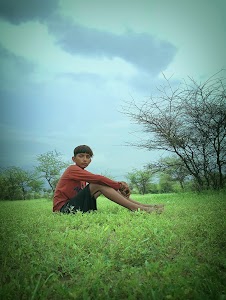



**Title:** Lunkaransar, Husangsar, Rajasthan, India
What is this place?
Town & Lake – Lunkaransar is a historic town located in the Bikaner District of Rajasthan . It's particularly known for its prominent salt lake, Lunkaransar Lake , which is a significant geographical feature in the region. This area embodies the unique cultural and natural landscape of the Thar Desert .Why people come here
Lake & Local Life – Many visitors are drawn to Lunkaransar to experience the serene beauty of the Lunkaransar Lake and its surrounding arid landscape. It's a place to observe the local Rajasthani way of life, agricultural practices, and the distinctive ecosystem of the desert. For those interested in geology or salt-pan environments, the lake offers a unique perspective.What to expect
Arid Charm – Expect a tranquil, rural atmosphere with vast open spaces and the distinctive beauty of the Thar Desert . The town itself offers a glimpse into traditional Rajasthani culture. The Lunkaransar Lake provides a peaceful setting, though its water levels and appearance can vary with seasons. It’s generally a quiet destination, suitable for those seeking a break from bustling city life.Best time to go
Cooler Months – The most comfortable time to visit Lunkaransar is during the cooler months, typically from October to March. During this period, the weather is pleasant, making it ideal for exploring the lake and the surrounding areas without the intense heat of the summer.Practical info
General Exploration – As a rural area, it's advisable to carry essentials like water, especially if you plan to explore the lake surroundings. Public transport might be limited, so having your own vehicle or arranging local transport is recommended for convenience. Respect local customs and the natural environment during your visit.Good to know
Groundnut Hub – Lunkaransar is often referred to as the "Groundnut City" of Rajasthan due to its significant production of groundnuts. This agricultural aspect is a key part of the local economy and culture. The area also offers opportunities to see traditional desert flora and fauna.