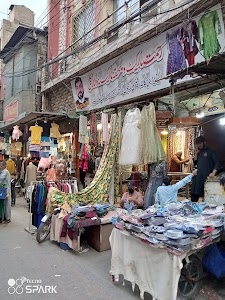
Traditional Market – I see Anarkali Bazaar as one of the oldest and most traditional markets in Lahore, Pakistan. It's a vibrant hub of activity that has been central to the city's trade and culture for centuries.
What is this place?
Historic Marketplace – This is a historic marketplace, believed to be over 200 years old, named after the legendary Anarkali, a courtesan from the Mughal era. It’s essentially a sprawling open-air bazaar that has evolved over time, yet still retains much of its traditional charm and character.
Why people come here
Shopping & Experience – People primarily come here for a unique shopping experience, offering everything from traditional clothing and jewelry to handicrafts and street food. It's also a place to soak in the local culture, witness daily life, and enjoy the bustling atmosphere.
What to expect
Bustling & Diverse – Expect a bustling, sometimes chaotic, environment with narrow lanes, vibrant displays, and a cacophony of sounds. The market is divided into two main sections: the "Old Anarkali" which is known for its traditional food and goods, and the "New Anarkali" which offers more modern items. It's generally suited for those who enjoy exploring local markets and aren't afraid of crowds.
Best time to go
Evenings & Weekends – While the bazaar is active throughout the day, the evenings, especially after sunset, bring a particular charm with illuminated shops and a lively atmosphere. Weekends are generally busier.
Practical info
Walking & Bargaining – The bazaar is best explored on foot. Parking can be challenging, so it's often advisable to use ride-sharing services or public transport. Be prepared for a lot of walking. Bargaining is a common practice, especially in the smaller shops.
Good to know
Food Street – The Old Anarkali Food Street is a major attraction within the bazaar, offering a wide array of traditional Lahori dishes. It's a must-visit for food enthusiasts.
Best buys
Traditional Goods – You’ll find a wide variety of goods here. Some of the best buys include:
Textiles – Traditional Pakistani clothing, fabrics, and embroidered items.
Jewellery – Both traditional and contemporary designs, often at competitive prices.
Handicrafts – Locally made crafts, pottery, and decorative items.
Shoes – Especially traditional leather footwear like khussas.
Spices and Dry Fruits – Aromatic spices and a selection of local dry fruits.
Bargaining and payment tips
Negotiation & Cash – Bargaining is not just accepted but often expected, particularly in the smaller, independent shops. Don't be shy to negotiate prices. While some larger stores might accept card payments, it's always a good idea to carry cash for smaller purchases and street vendors.
Crowd patterns
Peak Evenings – The bazaar is generally busy throughout the day, but it reaches its peak in the evenings and on weekends. If you prefer a slightly less crowded experience, consider visiting during weekday mornings or early afternoons.