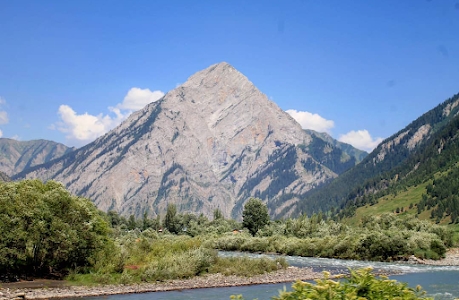
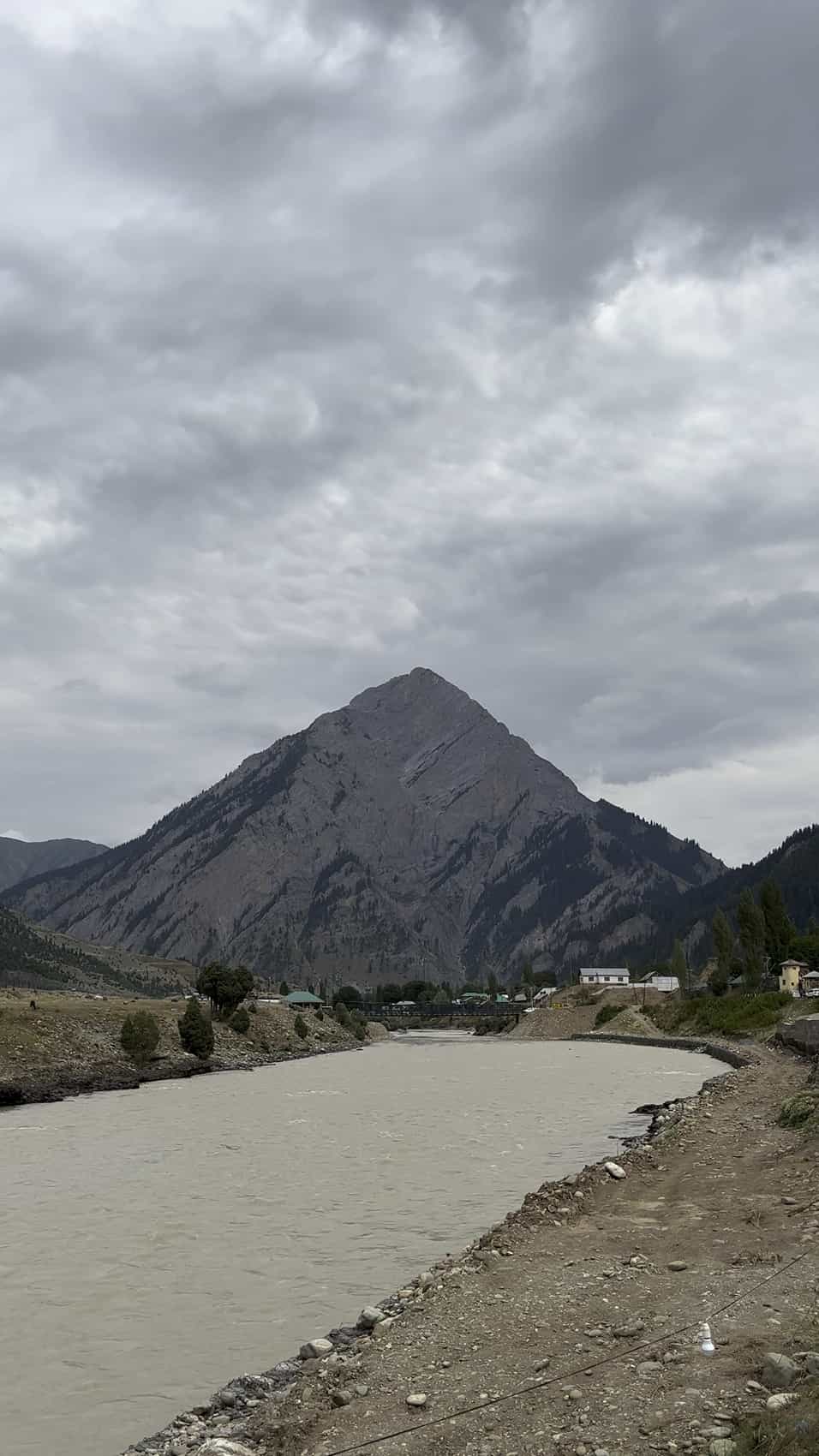
Habba Khatoon Mountain in Gurez Valley
What is this place?
Iconic Peak – I see Habba Khatoon Mountain as a majestic and iconic peak nestled in the breathtaking
. It's a prominent part of the Himalayan range, renowned for its distinct pyramidal shape and the rich folklore associated with it. This natural landmark stands as a symbol of the serene beauty of the region.
Why people come here
Scenic Beauty – People are drawn here primarily for its unparalleled natural beauty and the tranquility it offers. I've observed that visitors often come for trekking, photography, and to immerse themselves in the pristine mountain environment. It’s a place for those seeking peace away from bustling tourist hubs, offering stunning panoramic views of the surrounding valley.
What to expect
Serene Experience – When you visit, I expect you'll find a profoundly serene and unspoiled atmosphere. The air is crisp, and the silence is often broken only by the sounds of nature. It’s generally a less crowded destination, allowing for a more intimate experience with the landscape. You can anticipate breathtaking vistas and a sense of profound calm.
Best time to go
Summer Months – I recommend visiting during the summer months, typically from May to September. During this period, the snow has largely melted, making the valley more accessible and the weather pleasant for exploration. The vibrant greenery and clear skies enhance the mountain's beauty significantly.
Practical info
Mountain Preparedness – Access to and subsequently to the mountain itself can be challenging due to its remote location. I've noted that visitors should be prepared for mountain conditions, which may include varying terrain and cooler temperatures even in summer. It's advisable to check local conditions and any necessary permits before planning your journey.
Good to know
Poetess's Legend – The mountain is famously named after Habba Khatoon, a legendary Kashmiri poetess of the 16th century. Local folklore suggests she would often wander near this peak, singing her poignant compositions. This adds a layer of cultural and historical significance to its natural grandeur, making it more than just a beautiful landscape.