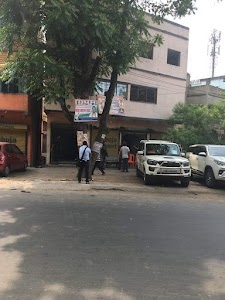
Archaeological Museum – I know this as a significant archaeological museum and cultural center located near the ancient site of Chirand. It's dedicated to preserving and showcasing the rich history and artifacts unearthed from one of India's most important prehistoric settlements.
Why people come here
Historical Exploration – People typically visit here to delve into the ancient past of the region. It offers a unique opportunity to explore the evidence of early human settlements, understand prehistoric cultures, and witness the archaeological discoveries that shed light on India's historical timeline.
What to expect
Educational Journey – You can expect a quiet and informative experience. I find it's a place for learning, offering a glimpse into the daily lives, tools, and practices of ancient communities. The atmosphere is generally calm, making it suitable for history enthusiasts, students, and curious travelers.
Historical Background
Ancient Settlement – This museum is intrinsically linked to the archaeological site of Chirand, which is renowned for its continuous human habitation from the Neolithic period through the Chalcolithic and Iron Ages. The excavations here have provided crucial insights into the development of agriculture and early societies in the Gangetic plains.
Key Highlights
Ancient Artifacts – Here, I've noted that you can discover a collection of artifacts including pottery, microliths (small stone tools), bone tools, beads, and evidence of early agricultural practices. These exhibits illustrate the technological advancements and cultural evolution of the ancient inhabitants of Chirand.
Practical Info
Visit Details – The museum is generally open during daytime hours, though specific timings can vary. I estimate that you would typically need about 1 to 2 hours to comfortably explore all the exhibits. It's advisable to check local opening hours before planning your visit.
Good to know
Cultural Significance – I find it fascinating that Chirand is considered one of the earliest known agricultural settlements in the region, making the museum a pivotal spot for understanding prehistoric India. Its location near the confluence of the Ganges and Ghaghara rivers highlights its historical importance as a strategic and fertile area.