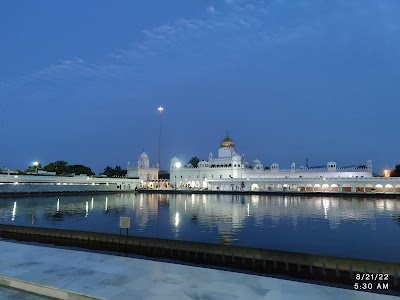
Religious Site – This is a prominent Sikh house of worship, known as a Gurudwara, featuring a sacred sarovar (holy tank) that is central to its identity.
What is this place?
Gurudwara and Sarovar – This is a revered Gurudwara, historically significant for its association with Guru Tegh Bahadur, the ninth Sikh Guru. The name "Dukh Nivaran" translates to "eradicator of suffering," reflecting the belief in the healing properties of its holy water.
Why people come here
Spiritual Solace – People typically visit for prayer, spiritual reflection, and to experience the peaceful atmosphere. Many pilgrims also take a ritual dip in the sacred sarovar, believing it can alleviate suffering and grant blessings. The community kitchen (langar) also draws many visitors.
What to expect
Devotional Atmosphere – I find that you can expect a serene and devotional environment, often filled with hymns (Gurbani) and the sounds of prayer. The Gurudwara can become quite crowded, especially on auspicious days or during festivals, reflecting its popularity among devotees.
Spiritual or cultural significance
Healing Waters – The Gurudwara holds deep spiritual significance, primarily due to its connection with Guru Tegh Bahadur and the belief in the miraculous powers of its sarovar. It is a place where Sikhs and people of all faiths come to seek comfort and spiritual well-being.
Visitor etiquette
Respectful Conduct – When visiting, I recommend covering your head (scarves are often provided or can be brought), removing your shoes before entering the main prayer hall, and dressing modestly. Photography rules may vary, so it's always best to observe or ask. Maintaining silence or speaking softly is appreciated in the prayer areas.
Facilities for visitors
Community Services – You'll typically find facilities like shoe-keeping services, washrooms, and the langar hall which provides free meals to all visitors, regardless of background. Parking is generally available, though it might be crowded on busy days.
Good to know
Historical Link – The Gurudwara's origins are traced back to the 17th century when Guru Tegh Bahadur visited the village of Lehal (now part of Patiala) and blessed the place. The sarovar was later constructed around the sacred well believed to have been used by the Guru.