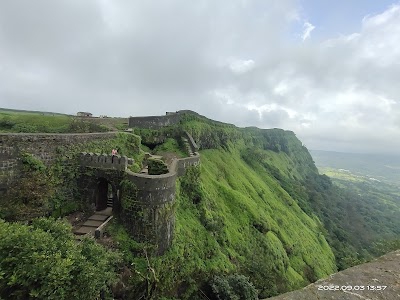
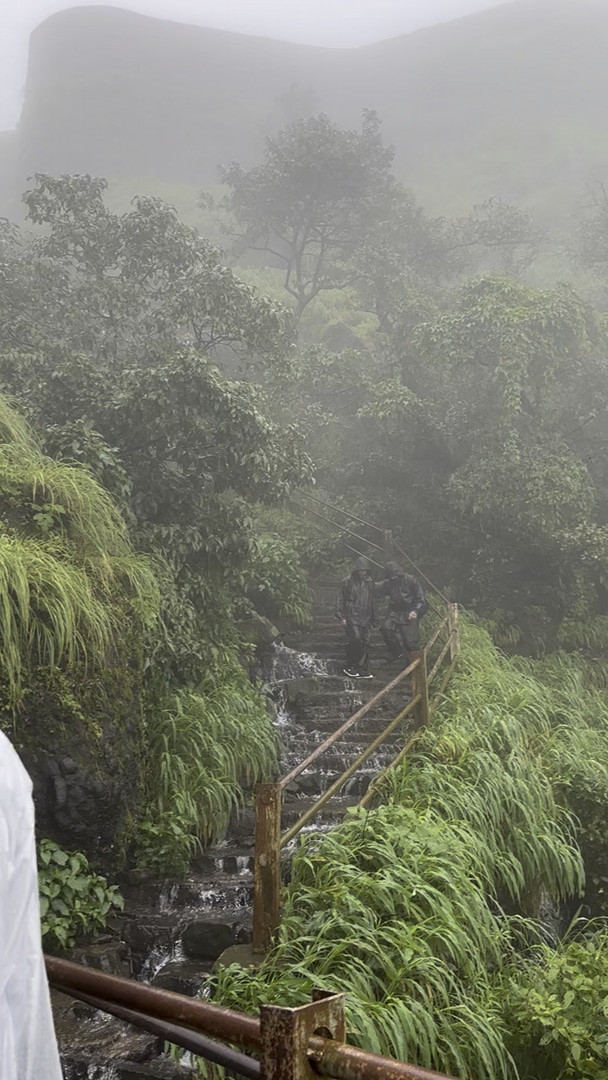
Ancient Fortress – Korigad Fort is an ancient hill fort located in the Sahyadri mountains, near the popular hill station of Lonavala . It stands proudly at an elevation of about 923 meters (3,028 feet) above sea level, offering panoramic views of the surrounding valleys and the nearby Aamby Valley City .
Why people come here
Trekking & History – Visitors primarily come here for trekking, to explore the historical ruins of the fort, and to enjoy the natural beauty and serene environment. It's a popular destination for hikers, history enthusiasts, and nature lovers seeking a refreshing escape from urban life.
What to expect
Scenic Trek – You can expect a moderate trek to the top, passing through lush greenery, especially during the monsoon. The fort itself features well-preserved walls, gates, and ancient structures. The summit offers breathtaking views of the plains, lakes, and the Aamby Valley City. It's generally a peaceful place, though it can get busy on weekends.
Historical background
Maratha Legacy – Korigad Fort's history dates back to the 15th century, though it gained prominence under the Maratha Empire. It was one of the many forts captured by Chhatrapati Shivaji Maharaj in 1657 and later taken by the British in 1818. The fort played a strategic role in controlling the trade routes through the Western Ghats.
Key highlights
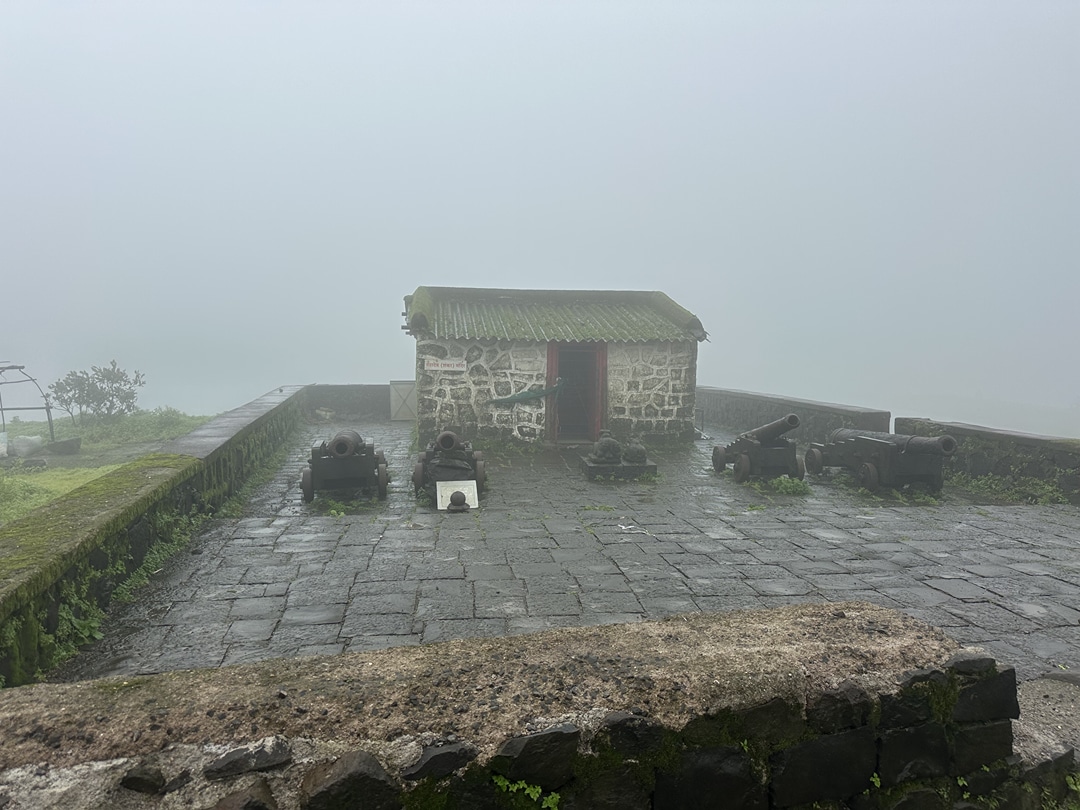
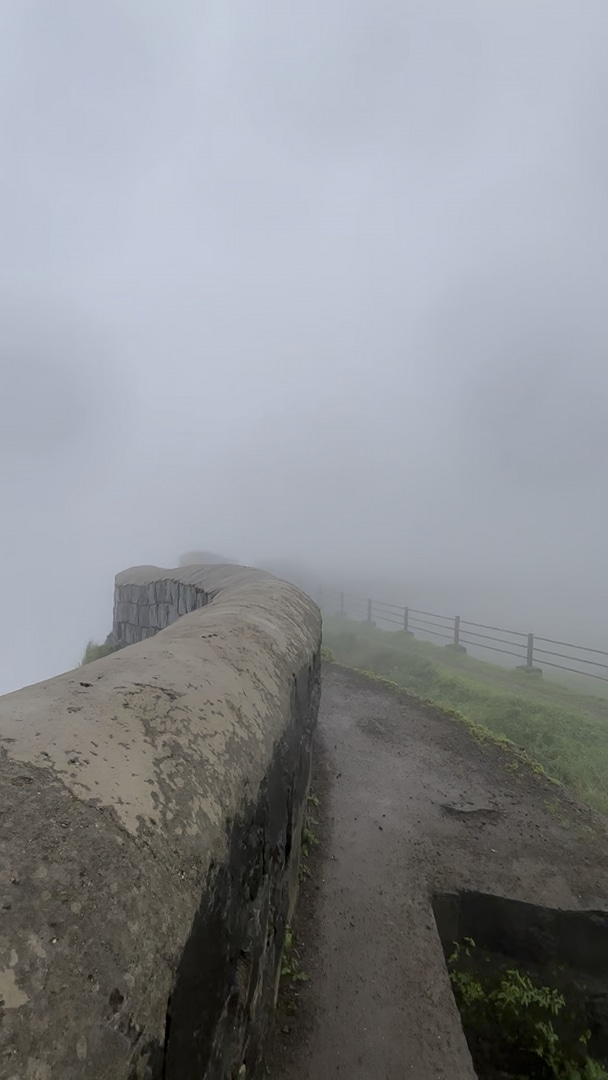
Fortifications & Temples – On the fort, I find several interesting features. The massive fortification walls are still largely intact, encircling the entire top. You'll also discover two small lakes (Koraidevi Tank), several caves, and temples dedicated to Koraidevi and other deities. The Ganesh Darwaja and other gates are also notable.
Practical info
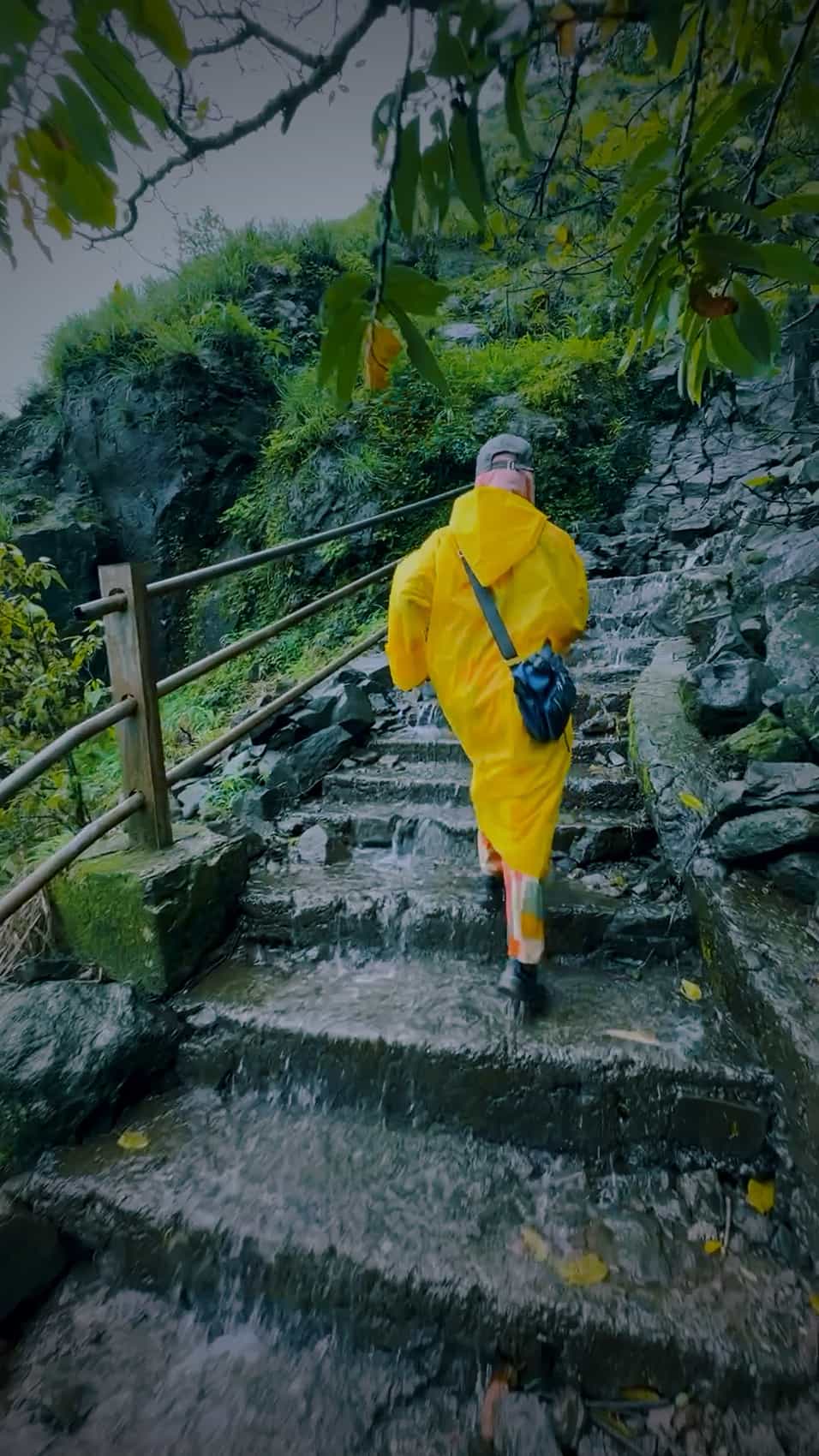
Moderate Trek – The trek to Korigad Fort is considered moderate, taking approximately 1.5 to 2 hours one way from the base villages of Peth Shahapur or Ambavne . The path is well-marked but can be slippery during the monsoon. There are no permanent food stalls on the fort, so carrying your own water and snacks is advisable.
Timings & Fees – The fort is accessible throughout the day, typically from sunrise to sunset. There are generally no entry fees for the fort itself, but parking charges might apply at the base village.
Good to know
Monsoon Beauty – While the monsoon season (June to September) transforms the landscape into a vibrant green paradise with waterfalls, it also makes the trek more challenging due to slippery paths. The post-monsoon months (October to February) offer pleasant weather and clear views, making it an ideal time for a visit. Wear sturdy trekking shoes and carry sufficient water.