Rainiest Place – This is Mawsynram, a village nestled in the East Khasi Hills of Meghalaya, India, renowned globally as one of the wettest places on Earth. It holds the Guinness World Record for the highest average annual rainfall, creating a unique, perpetually lush environment.
Why people come here
Experience Rain – People typically visit Mawsynram to witness and experience its extraordinary rainfall, which shapes its dramatic landscapes. It's a destination for those seeking to immerse themselves in nature's raw power, explore unique geological formations, and enjoy the serene beauty of constant mist and greenery.
What to expect
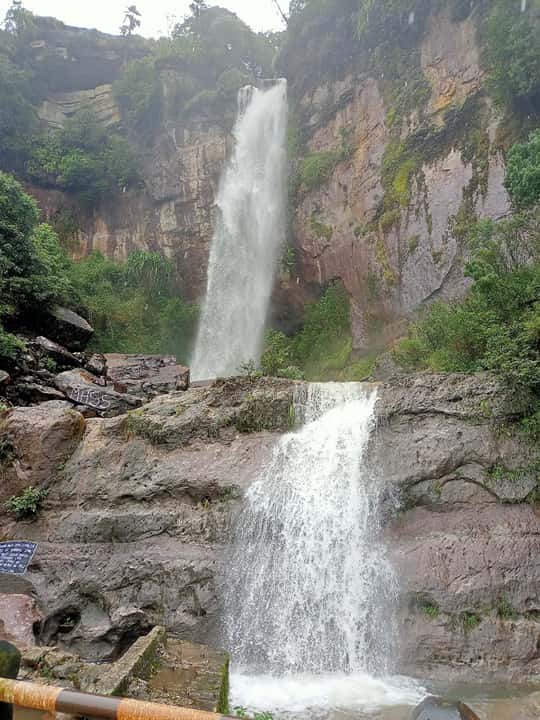
Lush & Misty – Expect a landscape of unparalleled lushness, often shrouded in mist and fog, with countless waterfalls cascading down hillsides. The atmosphere is generally cool and damp, offering a tranquil escape from urban bustle. Be prepared for continuous, heavy rain, especially during the monsoon season.
What to do here
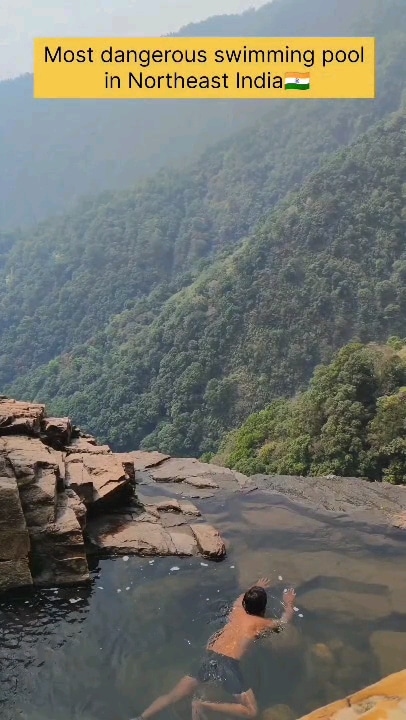
Caves & Waterfalls – My explorers often enjoy exploring the impressive natural caves, such as Mawjymbuin Cave , known for its stalagmites and stalactites. You can also discover numerous waterfalls that spring to life during the rains, offering stunning photographic opportunities and moments of quiet contemplation amidst nature.
Best time to go
Monsoon or Post-Monsoon – The monsoon season, from June to September, is when Mawsynram lives up to its reputation, offering the most intense rainfall experience. For those preferring slightly clearer skies but still lush landscapes, the post-monsoon months of October and November are also ideal.
Practical info
Rain Preparedness – It's essential to come prepared with waterproof clothing, sturdy umbrellas, and waterproof footwear. Roads can be slippery, and visibility might be low due to fog and heavy rain. Always carry sufficient cash as ATM facilities can be limited, and network connectivity might be intermittent.
Good to know
Unique Ecosystem – The constant rainfall has fostered a unique ecosystem, influencing the local culture and architecture. You might observe traditional homes designed to withstand heavy rains and locals using unique rain shields made from bamboo and banana leaves, known as 'knups'.