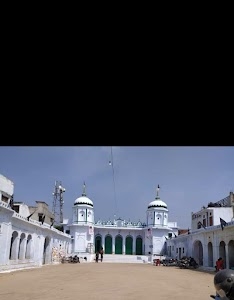
Historical Complex – This is a significant historical complex known as Bada ImamBada (Mahal) located in Fatehpur, Uttar Pradesh. An Imambada typically serves as a congregation hall for Shia Muslims for religious ceremonies and commemorations. The "Mahal" aspect suggests it also features palace-like architecture and grandeur, making it a notable cultural landmark in the region.
Why people come here
History & Architecture – Visitors are drawn to Bada ImamBada (Mahal) to explore its historical architecture and delve into the local cultural heritage. It offers a chance to understand the historical significance of Imambadas and their role in the social and religious fabric of Uttar Pradesh.
What to expect
Peaceful Exploration – You can anticipate a relatively quiet and contemplative atmosphere, providing a serene environment for exploration. It's a place to appreciate intricate architectural details and immerse yourself in a sense of history. Crowd levels are generally moderate, appealing to those with an interest in heritage and culture.
Best time to go
Cooler Months – I recommend planning your visit during the cooler months, typically from October to March. This period avoids the intense summer heat, making your exploration more comfortable. Weekdays usually offer a less crowded and more tranquil experience.
Practical info
General Visit – Access to the Bada ImamBada (Mahal) in Fatehpur is generally straightforward. While specific timings can vary, historical sites like this typically welcome visitors during daylight hours. I suggest allocating about 1 to 2 hours for a thorough visit to fully appreciate its structures and ambiance. It's always wise to confirm current opening times locally before you arrive.
Good to know
Cultural Significance – This Imambada holds deep spiritual and cultural importance for the Shia Muslim community, serving as a center for remembrance and religious discourse, especially during Muharram. Architecturally, you’ll observe a blend of local Indian craftsmanship with Islamic influences, showcasing grand arches and intricate stucco work. When visiting, I advise dressing modestly, covering shoulders and knees, and maintaining a quiet demeanor to respect the site's sanctity. Photography is generally permitted, but always be mindful of local guidelines.