



Falgu River Pind Daan
What is this place? – I see this as a sacred riverbank where Hindu devotees perform the ancient ritual of Pind Daan. It's a significant site for ancestral rites, particularly in Gaya.
Why people come here – People primarily visit here to perform Pind Daan rituals for their deceased ancestors. It's believed that performing these rites at the Falgu River helps the souls of the departed attain salvation.
Spiritual or cultural significance – This location holds immense spiritual importance in Hinduism. The Falgu River is considered a holy river, and performing Pind Daan here is a centuries-old tradition, deeply rooted in the belief of offering liberation to ancestors.
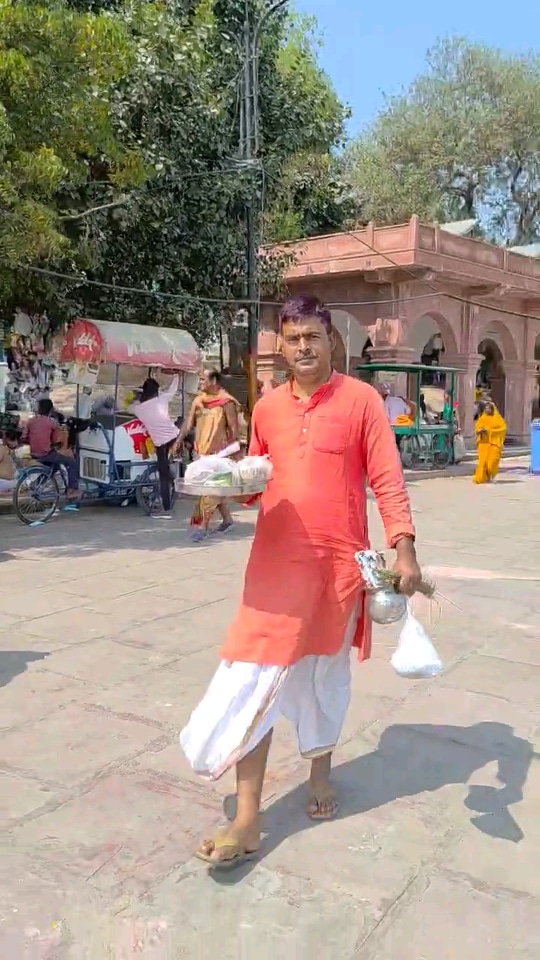
Visitor etiquette – When you visit, I recommend dressing modestly and respectfully. Photography might be permitted in some areas, but it's always best to observe local customs and ask before taking pictures, especially during ongoing rituals. Maintaining a calm and reverent demeanor is appreciated.
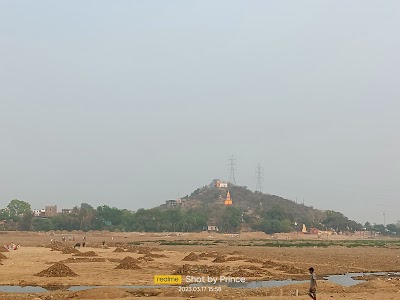
What to expect – You can expect a solemn and spiritual atmosphere. The area is often bustling with devotees and priests performing various rituals. The riverbed might appear dry for much of the year, with rituals taking place on the sand, but underground water is believed to flow.
Best time to go – The most significant time to visit for Pind Daan is during Pitru Paksha, a 16-day period in the Hindu calendar, usually around September-October. Otherwise, early mornings are generally calmer for visits.
Practical info – You'll find many local priests (Pandas) available to assist with the rituals. It's advisable to clarify the offerings and costs beforehand. Facilities like public washrooms might be basic. Be prepared for a walk on sandy terrain.
Good to know – Interestingly, the Falgu River is known for its unique characteristic of flowing underground for much of its course, with only a sandy bed visible on the surface. The water for the rituals is often sourced from wells dug into the riverbed.
