Historic Gateway – Kashmiri Gate is one of the original 14 gates of the walled city of Shahjahanabad, built by Mughal Emperor Shah Jahan. Today, it stands as a significant historical landmark and has evolved into a bustling commercial and transportation hub in Old Delhi. It marks a unique intersection of Delhi's rich past and its vibrant present.
Why people come here
History & Commerce – People visit Kashmiri Gate for several reasons. Many come to witness a tangible piece of Delhi's Mughal and colonial history, exploring the gate itself and surrounding historical sites. It's also a major draw for those seeking its diverse markets and as a crucial transit point for various parts of the city.
What to expect
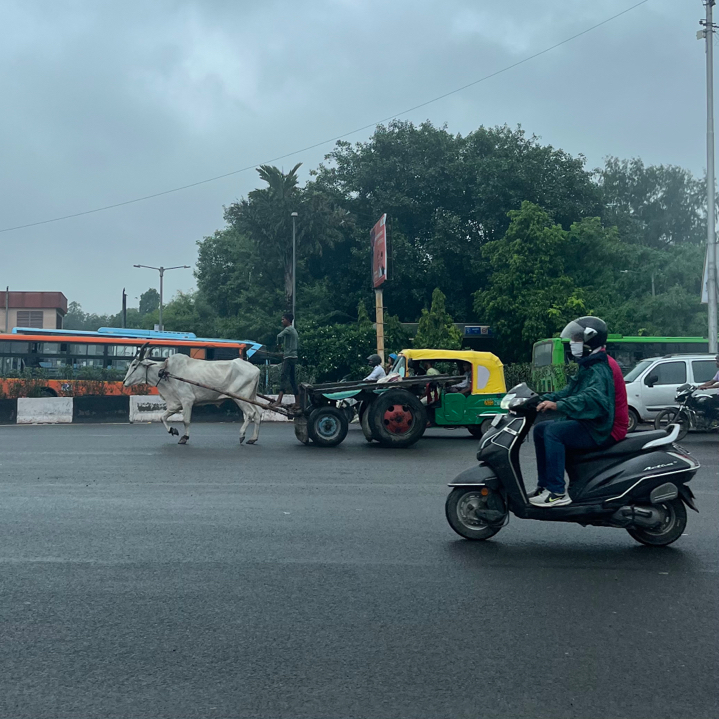
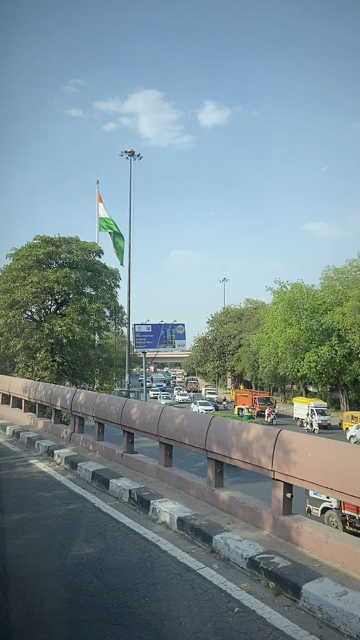
Lively Blend – When you visit, I expect you'll encounter a dynamic atmosphere where ancient architecture coexists with modern-day commerce. The area is typically bustling and lively, with a constant flow of vehicles and pedestrians. You'll find a mix of historical tranquility near the gate and the energetic chaos of local markets.
Historical background
Mughal & Mutiny – This iconic gate was constructed in 1635 by Emperor Shah Jahan as part of the defensive walls of his new capital, Shahjahanabad. It was named "Kashmiri Gate" because it faced north, towards Kashmir. The gate gained immense historical significance during the Indian Rebellion of 1857, where it played a pivotal role in the siege of Delhi, bearing marks of cannon fire that are still visible today.
Key highlights
Architectural Remnants – The main highlight is, of course, the Kashmiri Gate itself, a grand structure that offers a glimpse into Delhi's fortified past. Nearby, you can also find other historical gems such as St. James' Church , one of the oldest churches in Delhi, and the historic Nicholson Cemetery .
Practical info
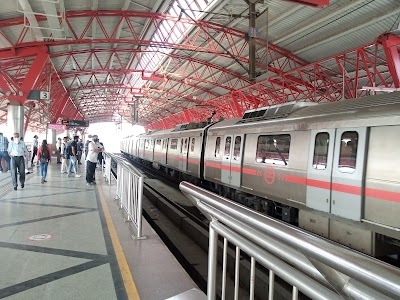
Open Access – Kashmiri Gate is an open public space, accessible at all times, though the historical sites around it may have specific visiting hours. As a major transit hub, it is well-connected by metro, bus, and auto-rickshaws. Due to its popularity and function as a market area, it can get very crowded, especially during peak hours.
Good to know
Vibrant Hub – This area is not just a historical monument; it's a living, breathing part of Delhi. It’s home to one of Asia's largest auto parts markets and also a significant wholesale market for books and stationery. It’s a fantastic place to observe the daily life and commerce that has thrived around this historic gateway for centuries.