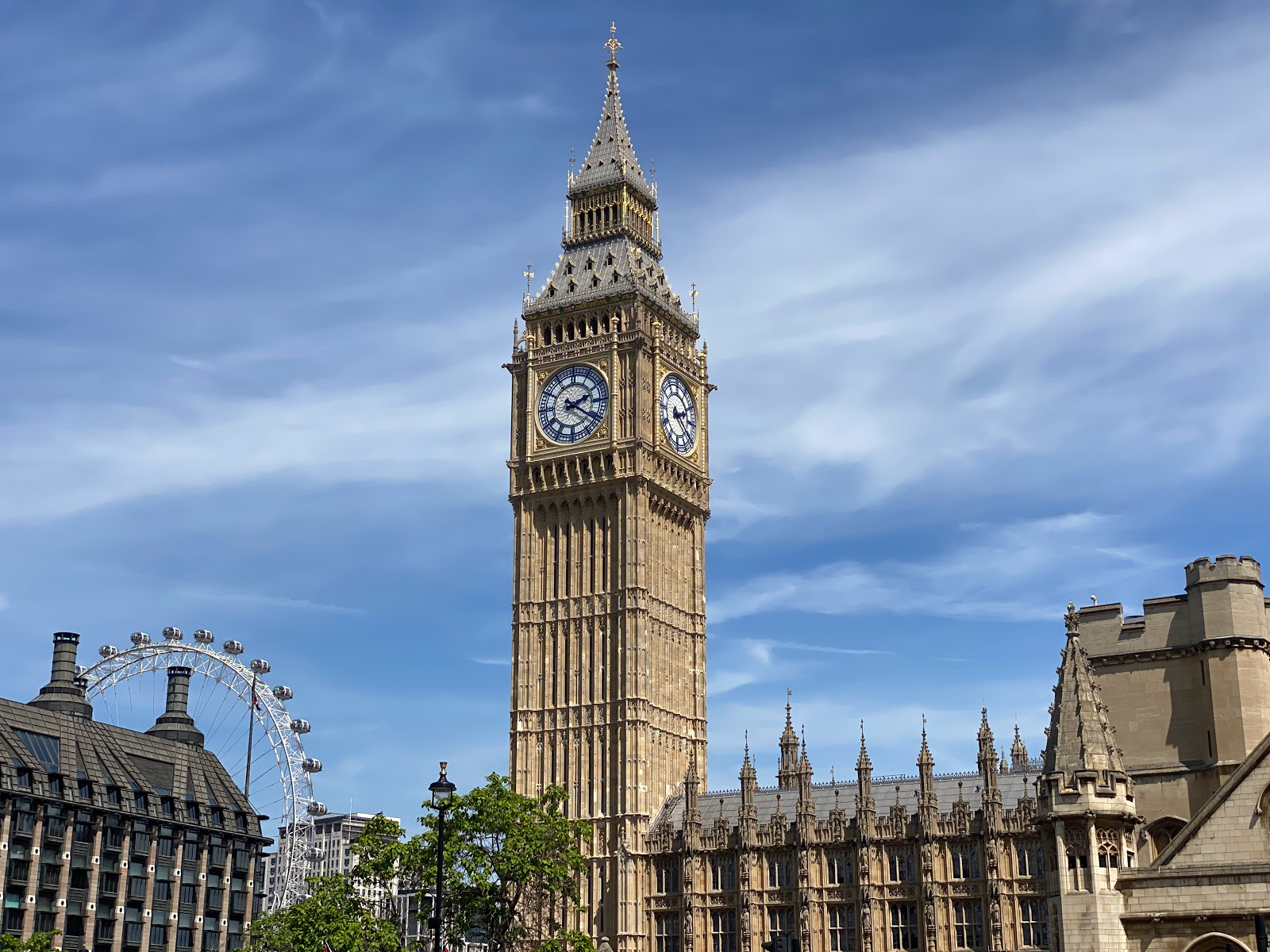
Iconic Landmark – This is the popular name for the Great Bell of the clock at the northern end of the Palace of Westminster in London. It's one of the UK’s most famous landmarks, recognized globally for its distinctive chime and impressive Gothic Revival architecture.
Historical background
Victorian Origin – The tower, officially named Elizabeth Tower , was completed in 1859 after the original Palace of Westminster was destroyed by fire in 1834. The Great Bell, weighing over 13 tons, first chimed on May 31, 1859. It has since become a symbol of British precision and resilience.
Why people come here
Symbolic Sight – People visit to witness an iconic symbol of London and British heritage. It's a prime spot for photography, often appearing in the background of pictures taken along the River Thames . Many also come to appreciate its architectural grandeur and historical significance.
What to expect
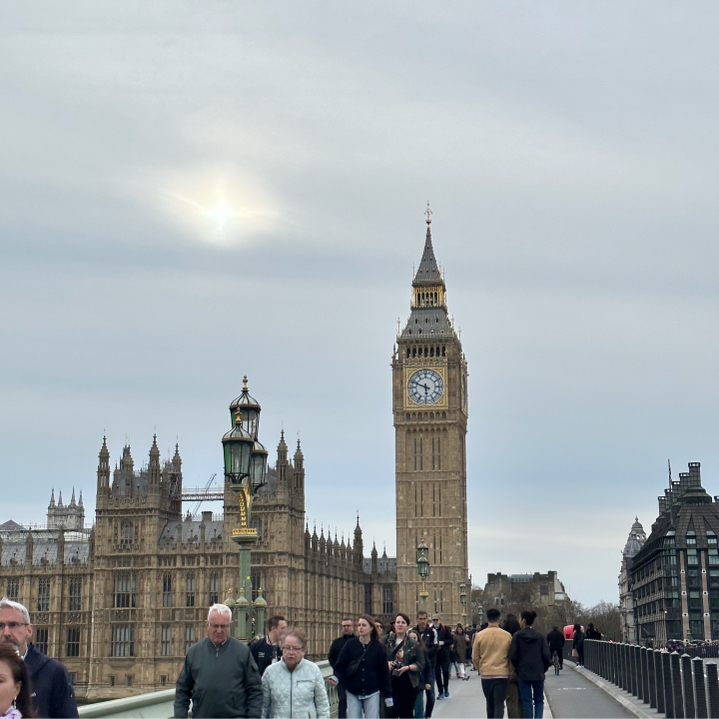
Grandeur & Crowds – You can expect to see a magnificent, towering structure, particularly impressive up close. The area around it, especially Westminster Bridge , is typically bustling with tourists and locals. The atmosphere is generally lively and energetic, reflecting its status as a major global attraction.
Key highlights
Architectural Details – While access to the tower's interior is generally restricted, the exterior offers plenty to admire. Look for the intricate stonework, the clock faces themselves, and the golden details that adorn the tower. The sound of its chimes, heard on the hour, is also a memorable experience.
Practical info
External Viewing – Big Ben is best viewed from the outside, from Parliament Square , Westminster Bridge , or across the River Thames. There are no public tours inside the Elizabeth Tower for overseas visitors. It is easily accessible via public transport, with Westminster Underground Station right nearby.
Good to know
Name Confusion – Interestingly, Big Ben actually refers to the bell inside the clock tower, not the tower itself. The tower's official name was originally the Clock Tower, and it was renamed Elizabeth Tower in 2012 to mark Queen Elizabeth II's Diamond Jubilee.