



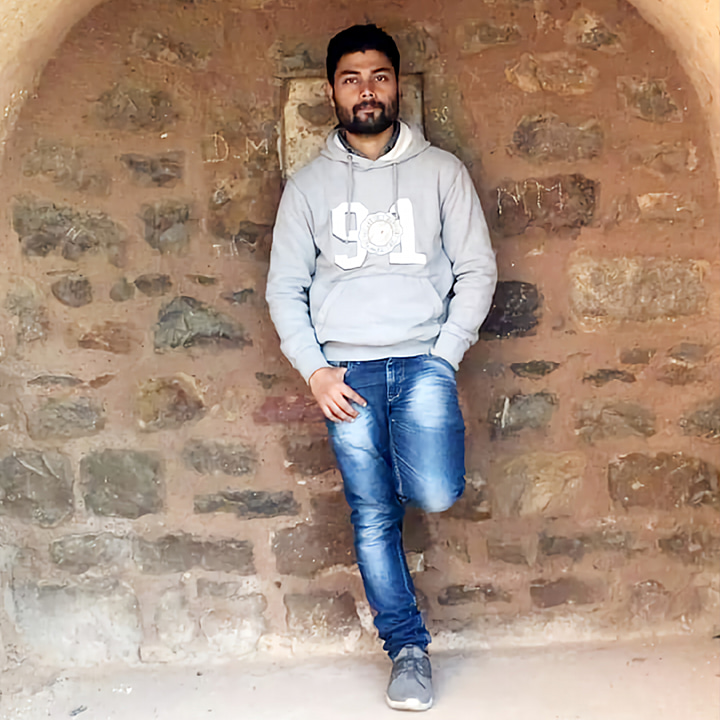
Lal Kila, Gawandari Fakirana, Bihar, India
What is this place? – I understand this place is known as Lal Kila in Gawandari Fakirana, Bihar, India. It appears to be a local landmark or a place with historical significance in the region, often referred to as a "Red Fort" locally.
Why people come here – People typically visit this site to explore its historical remnants, understand local heritage, and for its unique architectural elements that stand out in the area. It serves as a point of interest for those curious about the past of Gawandari Fakirana.
What to expect – You can expect a quiet and reflective experience, often with fewer crowds compared to more prominent historical sites. It’s suitable for individuals interested in local history and architecture. The atmosphere is generally calm, offering a glimpse into a bygone era.
Historical background
Local History – This site, known as Lal Kila, holds local historical importance. Its name, meaning "Red Fort," suggests a past as a defensive structure or a significant residence. While specific detailed historical records may be scarce, its presence indicates a rich local heritage and a pivotal role in the region's past.Key highlights
Architectural Features – Visitors often focus on the remnants of its original structure, which might include distinctive wall sections, gates, or other architectural details that hint at its former grandeur. These features provide insight into the building techniques and styles prevalent during its construction.Practical info
Accessibility – Access to Lal Kila in Gawandari Fakirana is generally straightforward for local visitors. As it is not a major tourist hub, facilities like designated parking or visitor centers might be limited. It’s advisable to inquire locally about the best way to reach the site and any specific access considerations.Good to know
Local Landmark – This Lal Kila is a significant local landmark, distinct from the more famous Red Forts in Delhi or Agra . It offers a unique perspective on regional history and architecture in Bihar.