
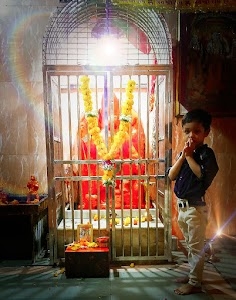



Hanuman Temple, Lambe Hanuman Road
What is this place? – I see this is a revered Hindu temple dedicated to Lord Hanuman, a central figure in the Ramayana epic, known for his strength, devotion, and unwavering service. It's a significant spiritual site for devotees in Surat.
Spiritual or cultural significance
Devotion – This temple is a place of deep devotion where followers come to offer prayers and seek blessings from Lord Hanuman. He is worshipped as a symbol of strength, perseverance, and protection, and many believe visiting the temple brings peace and fulfills wishes. The atmosphere often resonates with hymns and chants.Why people come here
Worship – People primarily visit this temple for worship, to participate in religious rituals, and to experience a sense of spiritual solace. It's a gathering point for the local community, especially during festivals and auspicious days dedicated to Lord Hanuman.What to expect
Serene atmosphere – You can expect a serene and devotional atmosphere. The temple is typically well-maintained, offering a peaceful environment for prayer and meditation. Crowd levels can vary, with more devotees present during specific prayer times or festivals. It generally suits individuals and families seeking a spiritual experience.Best time to go
Morning/Evening – The best times to visit are generally during the early mornings or evenings when the temple is active with prayers and a pleasant spiritual ambiance. Tuesdays and Saturdays are particularly significant for Hanuman devotees, so expect larger crowds on these days.Practical info
Accessibility – The temple is generally accessible, but it's always good to check for specific timings, especially during festivals. As with most religious sites in India, removing footwear before entering the inner sanctum is customary. There may be designated areas for shoe keeping.Good to know
Offerings – Devotees often bring offerings such as flowers, coconuts, and sweets to Lord Hanuman. You might also find priests performing various pujas (prayer rituals) that you can observe or participate in.