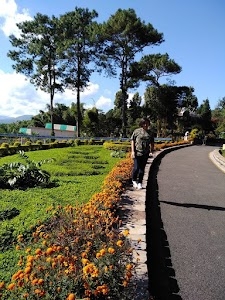
Natural Wonder – Siloam is a natural rock formation in Meghalaya, India, known for its unique geological features. It's a testament to the powerful forces of nature that have shaped the landscape over millennia in this region.
Why people come here
Exploration & Photography – People typically visit Siloam to explore its distinctive rock structures, marvel at the natural artistry, and capture its beauty through photography. It offers a glimpse into the geological history of Meghalaya.
What to expect
Serene & Unique – Here, you can expect a relatively quiet and serene atmosphere, far from the bustling crowds. The experience is about appreciating the natural formations and the surrounding landscape. It generally suits those interested in geology, nature photography, or simply seeking a peaceful natural retreat.
Best time to go
Dry Season – The best time to visit Siloam is generally during the dry season, from October to April. This period offers more comfortable weather conditions and clearer paths for exploration, avoiding the heavy monsoon rains that can make access difficult.
Practical info
Accessibility & Safety – Access to Siloam might involve some walking over uneven terrain, so wearing comfortable and sturdy footwear is advisable. While there are no strict timings, visiting during daylight hours is recommended for safety and to fully appreciate the formations. Always be mindful of your surroundings and respect the natural environment.
Good to know
Geological Interest – Siloam is a site of significant geological interest, showcasing the erosive power of water and wind over time. It's a great spot for those who appreciate natural wonders and wish to see the unique rock formations that are characteristic of Meghalaya's landscape.