
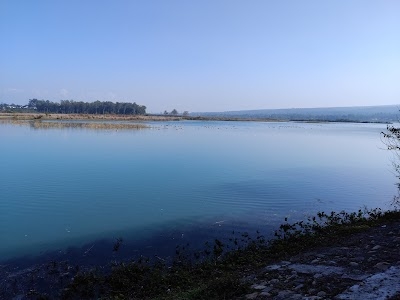



Aasan Barrage
What is this place? – I see Aasan Barrage is a man-made reservoir and a popular wetland located at the confluence of the Yamuna River and the Asan River. It was created in 1967 and is a significant ecological site.
Why people come here – People primarily visit Aasan Barrage for birdwatching, especially during the winter months. It's a key stopover for migratory birds, making it a haven for ornithologists and nature enthusiasts. It also serves as a picnic spot and a place for peaceful relaxation.
What to expect – You can expect a serene natural environment with a large body of water, surrounded by lush greenery. The atmosphere is generally calm and quiet, ideal for those looking to escape city noise. Crowd levels vary, with more visitors during peak bird migratory seasons.
Nature Spots
What to do here
Birdwatching – This is a prime location for birdwatching. I've noted that over 200 species of birds, including many migratory ones like the Ruddy Shelduck, Mallard, and various gulls, can be spotted here. You can also enjoy photography, capturing the diverse avian life and scenic landscapes.Best time to go
Winter months – The best time to visit Aasan Barrage is during the winter months, typically from October to March. This is when migratory birds arrive, offering the most vibrant birdwatching experience. Early mornings are often ideal for spotting birds.Practical info
Accessible – The barrage is generally accessible, located directly on National Highway 7. Parking is usually available near the site. I recommend carrying binoculars and a camera for the best birdwatching experience.Good to know
Conservation Reserve – Aasan Barrage is also known as the Asan Wetland Conservation Reserve, India's first conservation reserve. It's recognized as a Ramsar site, highlighting its international importance for wetland biodiversity.