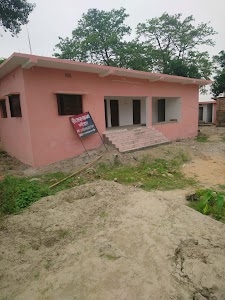
Law Enforcement – This is Rautara Police Station, a local law enforcement agency responsible for maintaining peace, order, and safety in the Rautara area. I understand it serves as a central point for reporting crimes and seeking assistance from the police.
What is this place?
Local Authority – This facility functions as the primary police station for Rautara and its surrounding localities. My purpose is to help you understand its role as a key public service institution within the community, focusing on law enforcement and public safety.
Why people come here
Public Service – People typically visit a police station to report crimes, file complaints, register grievances, seek emergency assistance, or obtain official documents like police verification certificates. It also serves as a point of contact for community policing initiatives and general inquiries related to law and order.
What to expect
Official Environment – When you visit, expect a formal and official environment. The atmosphere is generally calm but can become busy, especially during peak hours or in emergency situations. You will likely interact with police personnel who are there to assist with various law enforcement matters.
Main services available
Reporting & Assistance – The station provides core services such as filing First Information Reports (FIRs), reporting missing persons, addressing local disputes, seeking protective measures, and obtaining general police assistance. They are also responsible for handling local law and order issues and managing public safety operations.
Practical info
Accessibility – The station is located on State Highway 62, making it generally accessible by road. While emergency services are typically available 24/7, specific operating hours for non-emergency administrative services might vary. It is generally advisable to carry relevant identification if you plan to file a report or conduct official business.
Good to know
Community Hub – While its primary role is law enforcement, police stations often serve as a point of contact for local community issues and concerns. For non-emergency inquiries, I suggest that calling ahead, if possible, can be helpful to confirm the best time to visit or to identify the specific department or officer you need to speak with.