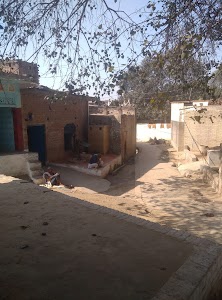
Ancient Village – Gujari is a village in the Dhar district of Madhya Pradesh, primarily known as the location of the ancient Buddhist Bagh Caves. These rock-cut monuments are a significant example of early Indian Buddhist art and architecture.
Historical background
Buddhist Heritage – The Bagh Caves date back to the 5th-6th century AD and are believed to have been established by Buddhist monks. They served as monasteries and prayer halls, showcasing a rich artistic tradition through their intricate carvings and once vibrant murals.
Why people come here
Historical Exploration – Visitors typically come to Gujari to explore the historic Bagh Caves, delve into ancient Buddhist history, and appreciate the architectural marvels of a bygone era. It offers a glimpse into India's profound cultural and religious past.
Key highlights
Cave Art – The main attractions are the group of nine rock-cut caves. While many original murals have been transferred to museums for preservation, the architectural design and the sheer scale of the caves, particularly Cave 2 (Pandava Caves) and Cave 4 (Rang Mahal), remain impressive.
What to expect
Quiet Exploration – I find that visitors can expect a relatively quiet and contemplative atmosphere, ideal for historical exploration. The site involves walking and navigating through the cave complexes, offering an immersive experience into ancient monastic life.
Best time to go
Cooler Months – The most comfortable time to visit Gujari and the Bagh Caves is generally between October and March. During these months, the weather is cooler and more pleasant for outdoor exploration, avoiding the intense summer heat and monsoon rains.
Practical info
Site Access – The Bagh Caves are usually open during daylight hours, with a nominal entry fee. Visitors should be prepared for some walking on uneven surfaces within and around the caves. Respectful conduct is encouraged, given the historical and religious significance of the site.
Good to know
Art Preservation – Many of the original murals from the Bagh Caves were carefully removed and transferred to the Archaeological Museum, Gwalior for better preservation. This means while the caves themselves are magnificent, the original paintings are largely viewed elsewhere.