
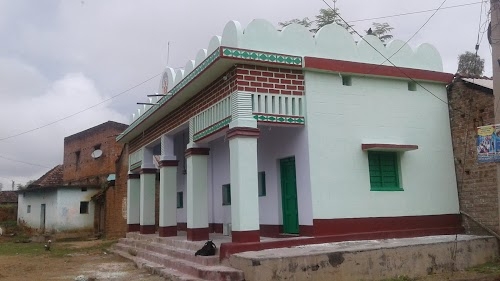



Kamta, West Bengal, India
What is this place? – Kamta is a region primarily known for its historical and cultural significance, particularly in relation to the Koch Kingdom. It's a geographical area with roots deeply embedded in the history of North Bengal.Why people come here – People typically visit Kamta to explore its historical connections, understand the cultural heritage of the Koch people, and experience the rural landscape of West Bengal. It offers a glimpse into a less-explored part of India.
What to expect – You can expect a tranquil, rural environment with a strong sense of local history. The pace of life here is generally slower, and you'll find a community rich in tradition. It's suitable for those interested in history, culture, and a quiet retreat.
Good to know – The region has a unique history, being the seat of the ancient Koch Kingdom. Its cultural identity is distinct from other parts of West Bengal due to this historical lineage.
Historical background
Ancient Kingdom – Kamta was historically the capital of the Kamata Kingdom, which later evolved into the Koch Kingdom. This region played a crucial role in the political and cultural landscape of Northeast India and Bengal. Its history is marked by various dynasties and rulers who left their imprint on the area.Key highlights
Cultural Heritage – While specific monumental structures might be less prominent compared to more well-known historical sites, the region's main highlight is its living heritage. This includes the traditions, language, and social customs of the Rajbongshi community, who are descendants of the Koch Kingdom. Exploring the local villages and interacting with the community can offer insights into this rich cultural tapestry.Best time to visit
Cooler Months – The best time to visit Kamta is generally during the cooler, drier months, from October to March. During this period, the weather is more pleasant for exploring the outdoors and experiencing local life. The monsoon season (June to September) can bring heavy rainfall, which might hinder travel.