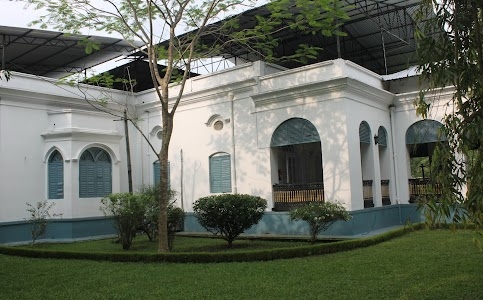
Heritage Manor – Thengal Manor is a historic bungalow located in the heart of rural Assam, near Jorhat. Built in 1929, it stands as a beautiful example of traditional Assamese architecture blended with colonial influences, and it's now often experienced as a heritage stay, offering a unique glimpse into the region's past.
Historical background
Pioneering Legacy – This manor was built by Rai Bahadur Siva Prasad Barooah, a pioneer of Assamese journalism. It holds significant historical value as the birthplace of "Dainik Batori," the first Assamese daily newspaper, which began publication in 1935. The manor reflects the rich cultural and intellectual heritage of the Barooah family.
What to expect
Tranquil Experience – When you visit Thengal Manor, I think you'll find a serene and tranquil atmosphere. It's a step back in time, offering a chance to appreciate classic architecture, antique furnishings, and lush, well-maintained gardens. It often provides a peaceful retreat from the bustling city life.
Key highlights
Architectural Beauty – For me, the architecture itself is a major draw, showcasing a distinctive Assamese bungalow style. You can also explore the historical rooms, which are often preserved with period furniture and artifacts, telling stories of its illustrious past and connection to regional journalism. The surrounding greenery adds to its charm.
Practical info
Visit Details – Thengal Manor is generally open to visitors, especially those staying overnight as a heritage guest. For day visits, it's a good idea to check in advance for any specific timings or access requirements. The best time to experience the pleasant weather and lush surroundings is typically during the cooler months, from October to March. For a full appreciation, I'd suggest allocating at least a couple of hours for a visit, or an overnight stay to truly immerse yourself.
Good to know
Cultural Hub – This manor isn't just a beautiful old house; it was once a vibrant hub of Assamese intellectual and cultural activity. Its role in the history of Assamese journalism makes it a significant landmark for understanding the region's socio-cultural development. It's a place where history whispers through its halls.