





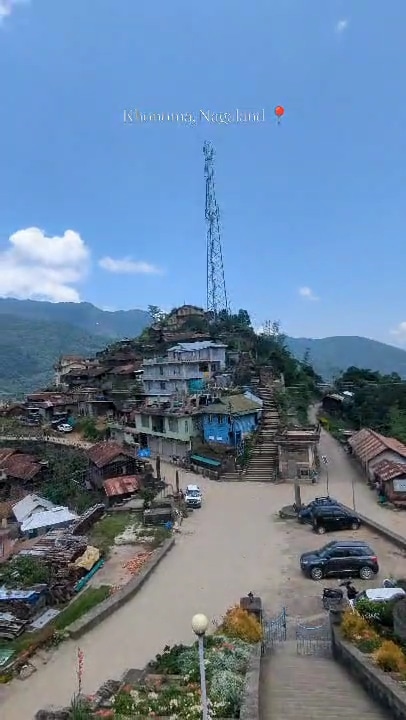

Khonoma, Nagaland, India
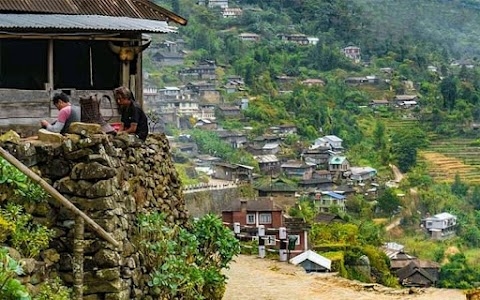
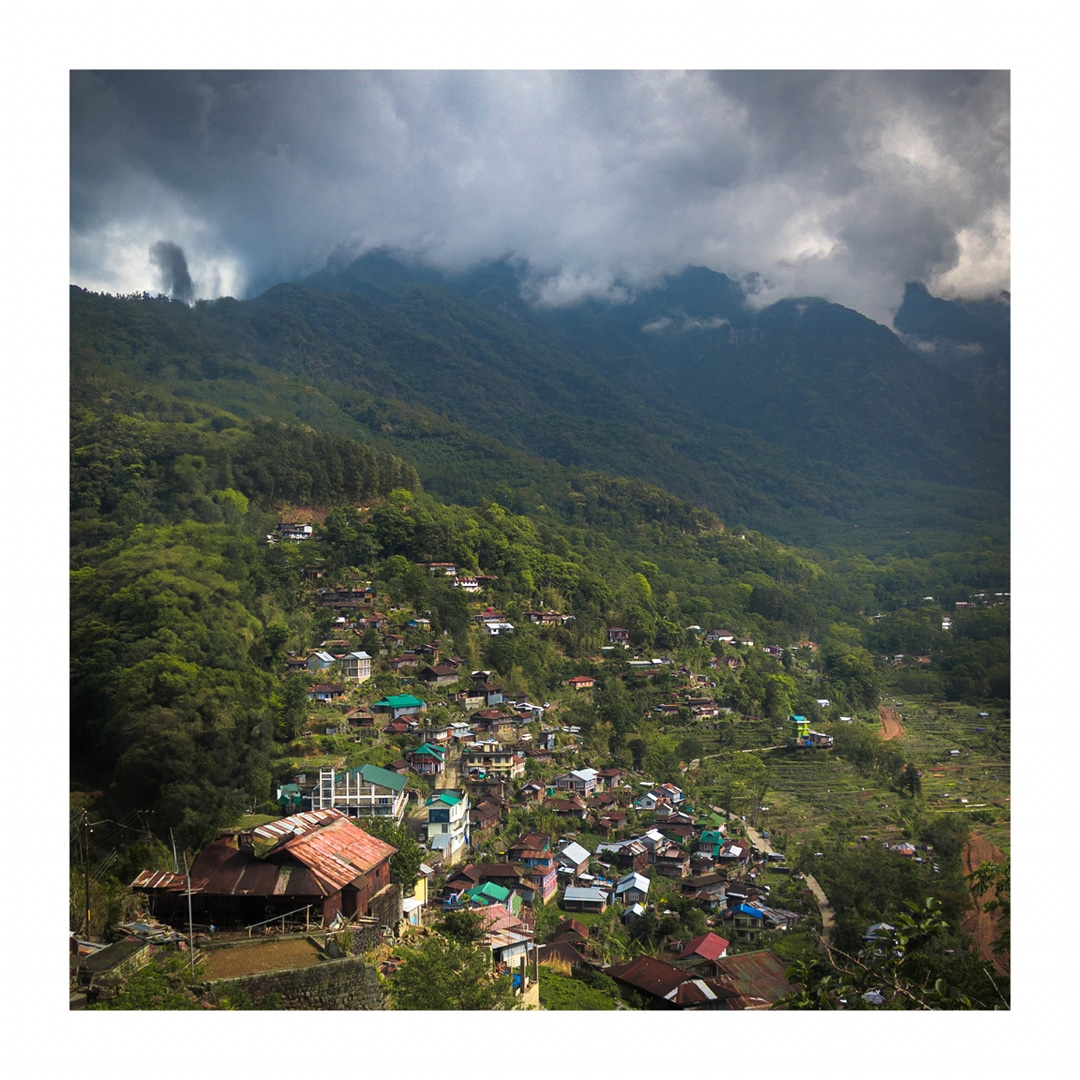
What is this place? – Village – Khonoma is often referred to as the "First Green Village of India". It is a traditional Angami Naga village known for its community-based conservation efforts and sustainable practices. This unique village is a model for environmental preservation and cultural heritage.
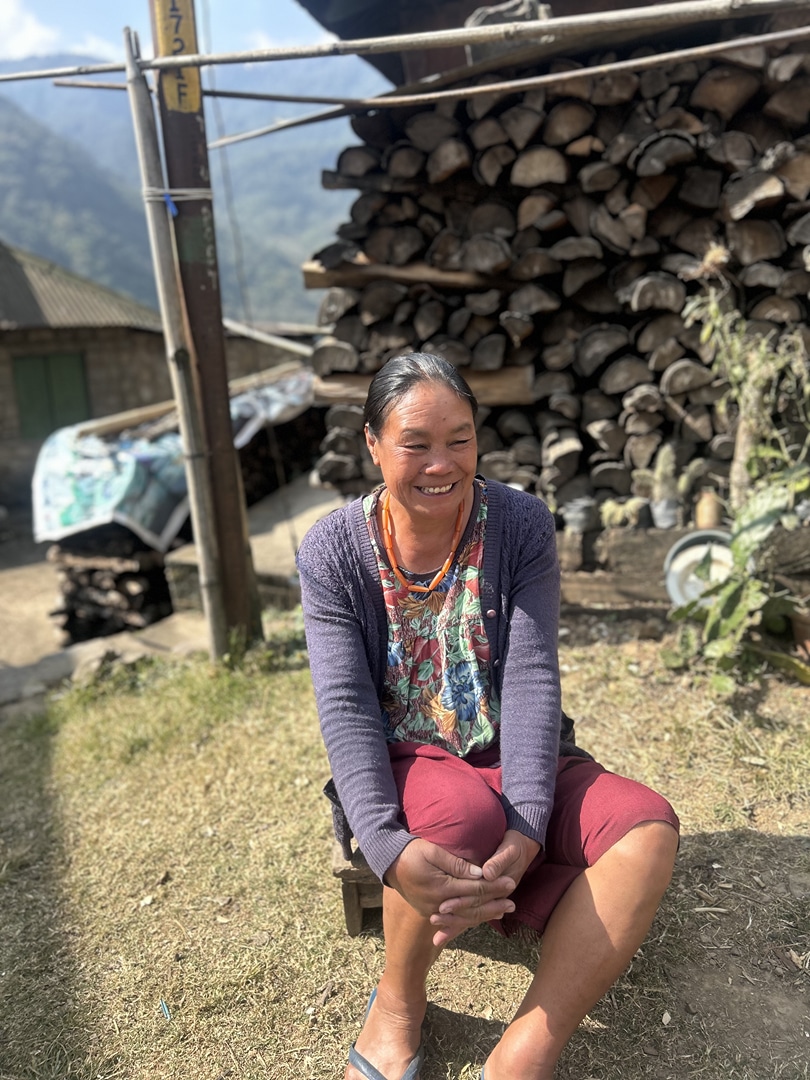
Why people come here – Culture and Nature – People visit Khonoma to experience its unique blend of rich Angami Naga culture, traditional village life, and its pioneering commitment to environmental conservation. It's a place for those interested in sustainable tourism, local traditions, and serene natural beauty.
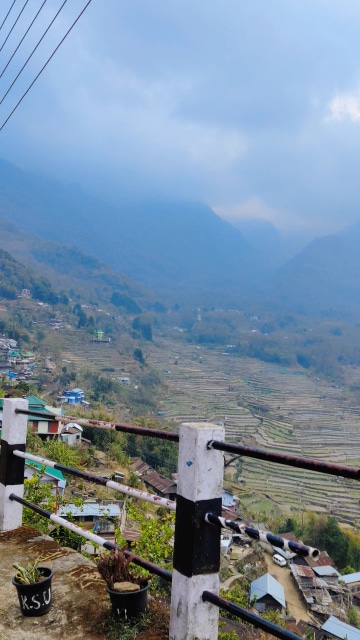
What to expect – Tranquil and Educational – I expect a peaceful atmosphere, surrounded by terraced fields and lush hills. You'll find a community deeply connected to its land and traditions, offering insights into their way of life and conservation initiatives. It's generally quiet, making it suitable for those seeking a reflective and educational experience.
Best time to go – Cooler Months – The best time to visit Khonoma is typically during the cooler, dry months from October to March, when the weather is pleasant for exploring and the terraced fields are often vibrant.
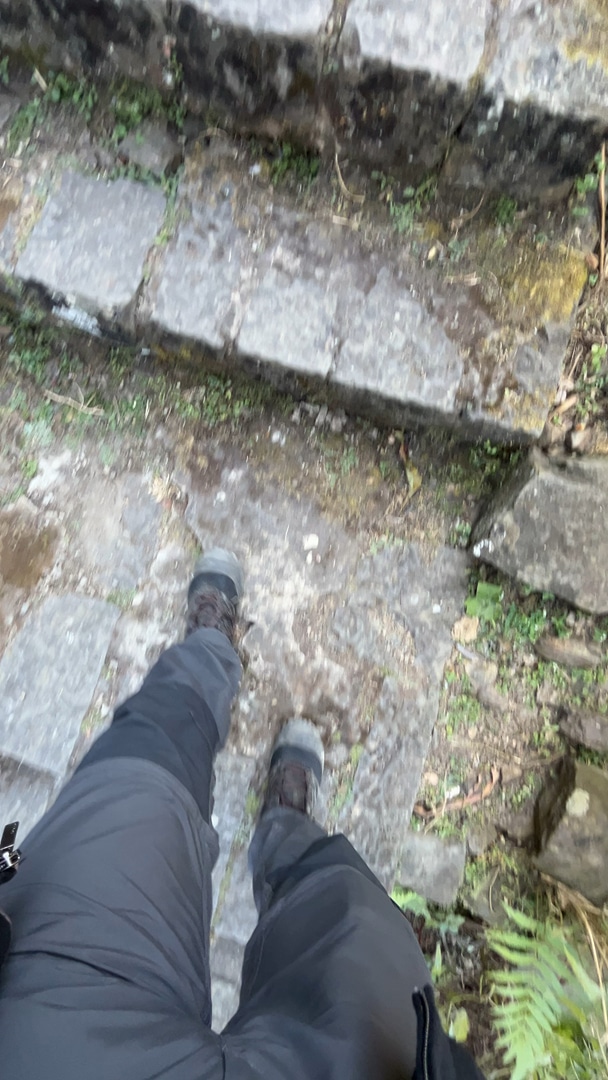
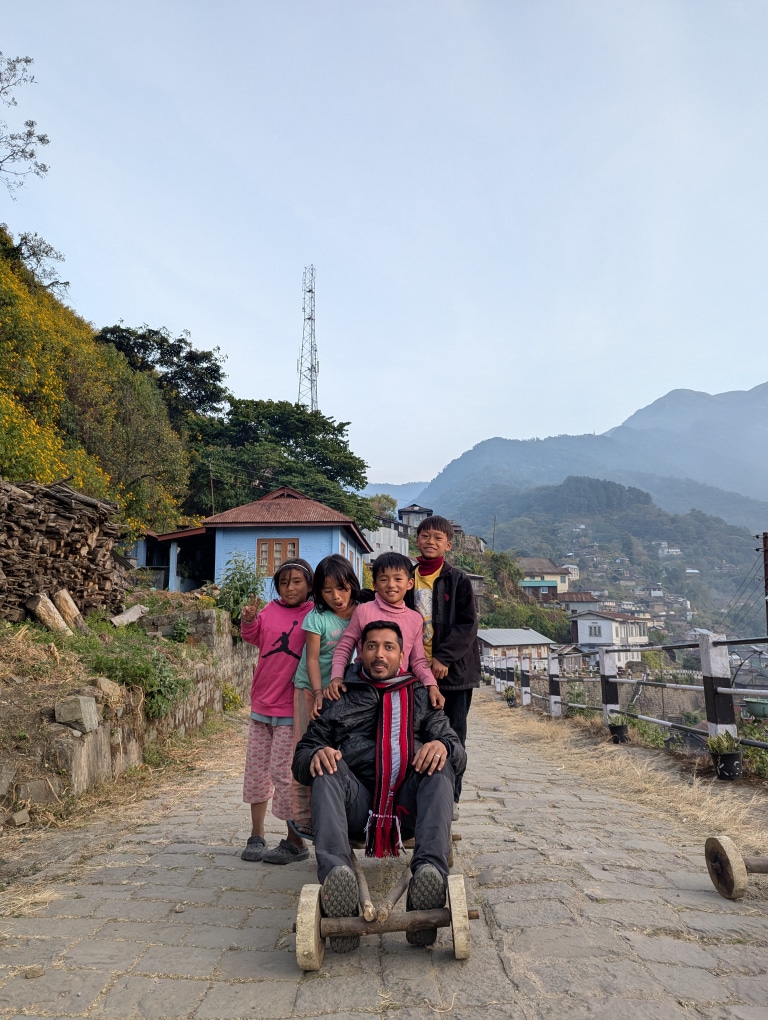
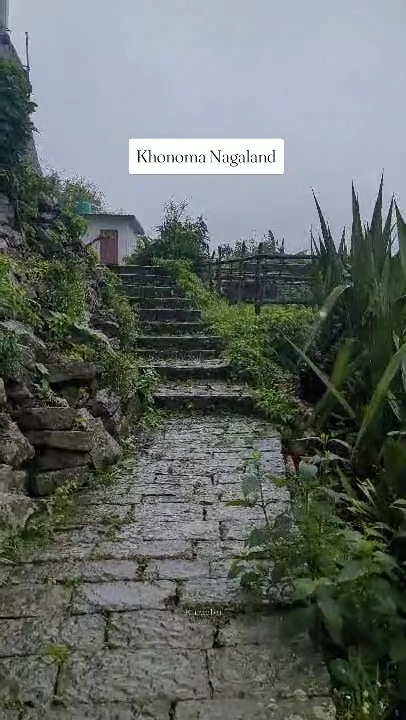
Practical info – Respectful Visits – While visiting, remember to respect local customs and traditions. Photography is generally allowed but always ask for permission before taking pictures of individuals. The village paths can be uneven, so comfortable walking shoes are advisable.
NATURE SPOTS
What to do here – Explore and Learn – Here, you can explore the terraced paddy fields, hike through the surrounding forests, and learn about the village's conservation efforts, especially regarding the Blyth's Tragopan , a rare pheasant. Guided village tours are often available to provide deeper insights into their history and sustainable practices.
Safety and preparedness – Moderate Effort – The terrain around Khonoma involves walking on village paths and some hilly areas, requiring a moderate level of physical fitness. It's advisable to carry water, wear appropriate footwear, and be prepared for varying weather conditions, especially if you plan to trek into the forests.
Accessibility and effort level – Accessible by Road – Khonoma is accessible by road from Kohima , the capital of Nagaland. The effort level within the village itself is generally easy to moderate, with some uphill walks. Roads leading to the village are generally motorable.
HISTORICAL / MONUMENTS / MUSEUMS
Historical background – Warrior Heritage – Khonoma has a significant historical background, particularly known for its resistance against British rule in the 19th century. The village's fortifications and strategic location played a crucial role in its past, reflecting the bravery and resilience of the Angami Nagas.
Key highlights – Traditional Structures – Don't miss the traditional Angami houses, some of which are centuries old, showcasing intricate Naga architecture. The village gates and stone monoliths also stand as reminders of its rich history and warrior traditions. The local museum or community centers often display artifacts and historical information.
How much time to spend – Half to Full Day – To truly appreciate Khonoma's culture and natural beauty, I recommend spending at least a half to a full day here. This allows enough time for a guided village walk, exploring the terraced fields, and soaking in the serene atmosphere.
