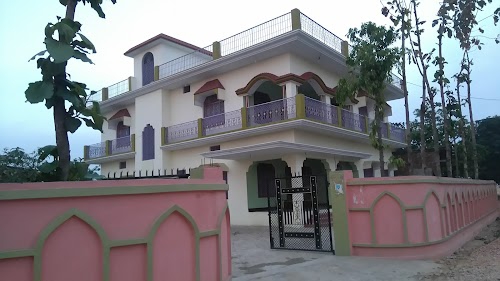
Historical Residence – From what I gather, Nasipur is primarily known for its historical palace, a significant architectural structure that once served as a grand residence. It stands as a testament to the region's past, reflecting the heritage of Uttar Pradesh.
Historical background
Royal Legacy – I believe this palace, often referred to as Nasipur Palace , is steeped in history. It is thought to have been built by local rulers or influential zamindars, showcasing the craftsmanship and cultural influences of its era through its architecture.
Key highlights
Architectural Details – When you visit, you can explore the palace's distinctive architectural elements, including its intricate carvings, arches, and the layout of its courtyards. While parts may show signs of age, the structure itself tells a compelling story of its former grandeur.
What to expect
Quiet Exploration – I find that Nasipur offers a relatively quiet and contemplative experience. It's a place for those interested in exploring historical structures and imagining past lives, rather than a bustling tourist attraction.
Practical info
Local Access – Access to the palace typically involves local transportation. While specific timings and entry fees may vary, it's generally advisable to check locally for the most current information regarding visitor access to the site.
Good to know
Photography Opportunities – For those who appreciate historical photography, the palace provides unique subjects with its weathered facades and historical charm. It's a chance to capture the essence of a bygone era.