



John Hessing's Tomb (The Red Taj Mahal)
What is this place?
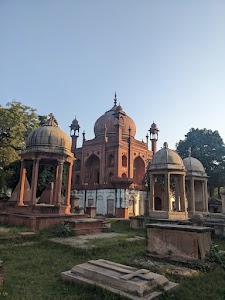
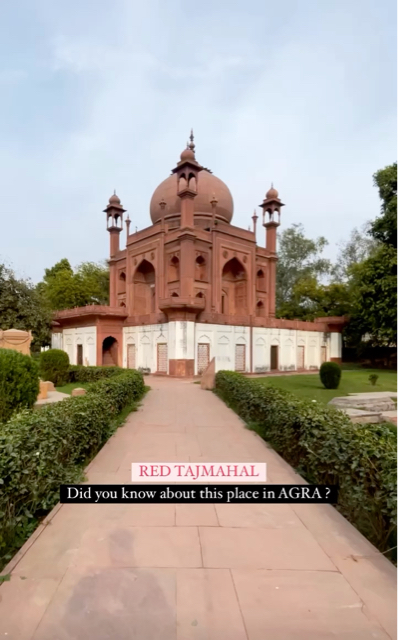
Unique Tomb – This is John Hessing's Tomb, often known as "The Red Taj Mahal" due to its striking resemblance to the iconic Taj Mahal but constructed from red sandstone. It serves as a unique historical monument and a memorial to a Dutch mercenary.Historical Background
Dutch Commander's Memorial – I find that this tomb was built in 1803 by Ann Hessing, in memory of her husband, John Hessing. He was a Dutch commander who served the Marathas in the late 18th century and died in Agra . The design is a clear homage to Mughal architecture, specifically the Taj Mahal, adapted with red sandstone.Key Highlights
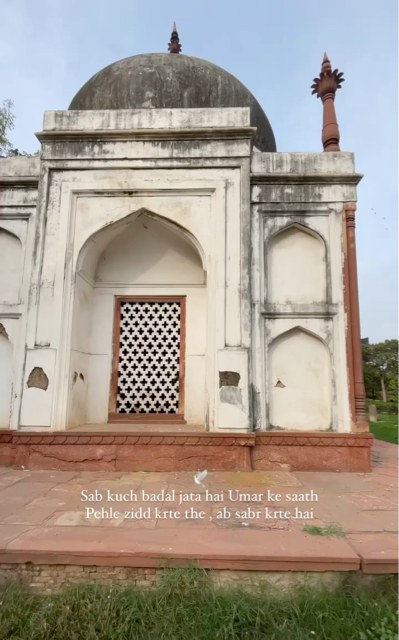
Architectural Echoes – The most notable feature here is its distinct red sandstone structure, which gives it its popular nickname. The tomb is octagonal, featuring a central dome and minarets at each corner, mirroring the grandeur of its white marble inspiration. Look for the intricate carvings and details that reflect traditional Mughal design elements.What to Expect
Quiet Reflection – When you visit, I expect you'll find a relatively peaceful and less crowded atmosphere compared to Agra's more famous monuments. It’s a place for quiet contemplation and appreciation of its unique architectural fusion. It generally suits those interested in lesser-known historical sites and unique stories.Visitor Etiquette
Respectful Conduct – As this is a tomb, I recommend maintaining a respectful and quiet demeanor during your visit. Modest dress is generally appropriate. Photography is typically allowed, but I always advise being mindful and respectful of the site's solemn purpose.Best Time to Go
Cooler Months – I suggest visiting during the cooler months, typically from October to March, when the weather in Agra is most pleasant for exploring. Early mornings or late afternoons are often ideal for experiencing the site with fewer people and softer light.Good to Know
Lesser-Known Gem – This site is a truly fascinating architectural anomaly, offering a glimpse into the diverse history of Agra beyond its most famous landmarks. It stands as a testament to the cross-cultural influences prevalent during that period in India.