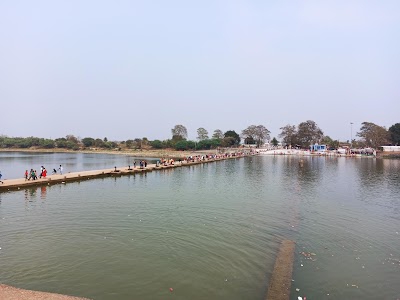
Major Tributary – The Shivnath River is a significant river flowing through the state of Chhattisgarh. It is the longest tributary of the Mahanadi River, originating in the Garhchiroli district of Maharashtra and traversing a substantial part of Chhattisgarh before merging with the Mahanadi. For many, it's considered a lifeline of the region.
Why people come here
Natural Beauty & Serenity – People often visit the Shivnath River for its tranquil natural environment. It's a place to escape the hustle and bustle, enjoy the scenic riverside, and connect with nature. Its banks are popular for leisurely strolls and quiet contemplation.
What to expect
Peaceful Waters – You can expect a serene and relatively undeveloped natural setting along many stretches of the river. The atmosphere is generally calm, offering a peaceful retreat. Depending on the season, the river's flow and water levels can vary.
What to do here
Relax & Observe – Along its banks, visitors can enjoy activities like riverside picnics, birdwatching, and photography. Some local spots might offer opportunities for boating or fishing, allowing you to experience the river up close. It's an ideal spot for those who appreciate natural landscapes.
Best time to go
Post-Monsoon & Winter – The ideal time to visit is typically from October to March. During this period, the monsoon rains have subsided, ensuring higher water levels and lush surroundings, while the weather is pleasant and cool, making outdoor activities more enjoyable.
Practical info
General Accessibility – Access to the river varies greatly along its long course. Many villages and towns are situated on its banks, offering different points of entry. While some areas might have developed ghats or access points, others could be more rustic. It's always wise to check local conditions for specific areas you plan to visit.
Good to know
Cultural Significance – The Shivnath River holds cultural and ecological importance for the people of Chhattisgarh. It plays a crucial role in supporting agriculture and local ecosystems. Its name is derived from Lord Shiva, reflecting its sacred status in some local traditions.