
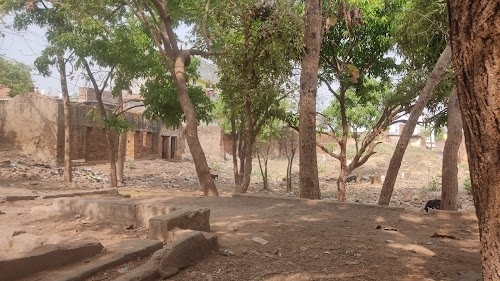



Narhat,, Apna Haweli, Narhat
What is this place?
Traditional Mansion – I recognize Narhat,, Apna Haweli, Narhat as a traditional Indian haveli, which is a grand, often historic, private mansion. These architectural gems typically showcase intricate designs and reflect the rich cultural heritage of their region.Historical background
Rich Heritage – Many havelis like Apna Haweli have a long history, often belonging to noble families or wealthy merchants. They were built to serve as residences, blending local architectural styles with functional design elements. The specific history of Apna Haweli would tell a unique story of its past inhabitants and the era it represents.Why people come here
Culture & Architecture – Visitors often come to havelis to admire their unique architecture, experience a glimpse into historical Indian lifestyles, and appreciate the craftsmanship of a bygone era. It's a journey into the cultural fabric of the region.Key highlights
Architectural Details – When exploring a haveli, I find that key highlights often include its ornate courtyards, beautifully carved facades, traditional frescoes or murals, and perhaps even hidden passages or rooftop views. The layout itself, designed for privacy and community, is often a highlight.- Courtyards – The central open spaces, often the heart of the haveli, providing light and ventilation.
- Carved Facades – Intricate stone or wooden carvings adorning the exterior and interior walls.
- Traditional Art – Discovering old paintings, frescoes, or decorative elements that tell stories.
- Rooftop Views – Panoramic views of the surrounding area, offering a different perspective of the haveli and its locale.
What to expect
Peaceful Atmosphere – I expect a visit to Apna Haweli to offer a relatively peaceful and immersive experience. The atmosphere is generally one of quiet contemplation, allowing visitors to appreciate the historical grandeur. It's suitable for those interested in history, architecture, and cultural exploration.Practical info
General Access – Access to havelis can vary; some are open to the public as museums or heritage sites, while others might be private residences or heritage hotels. It's advisable to check local information regarding visiting hours, any entry fees, or specific rules before planning your visit.Good to know
Cultural Insight – Many havelis are not just buildings but living examples of regional history and artistry. Taking the time to observe the details, from the construction materials to the decorative motifs, can offer a deeper insight into the local culture and traditions.