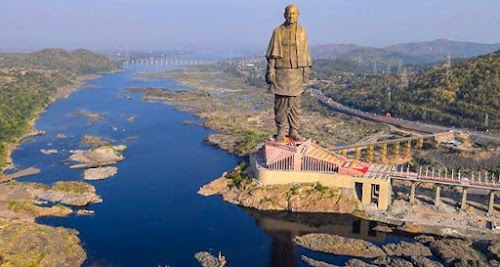
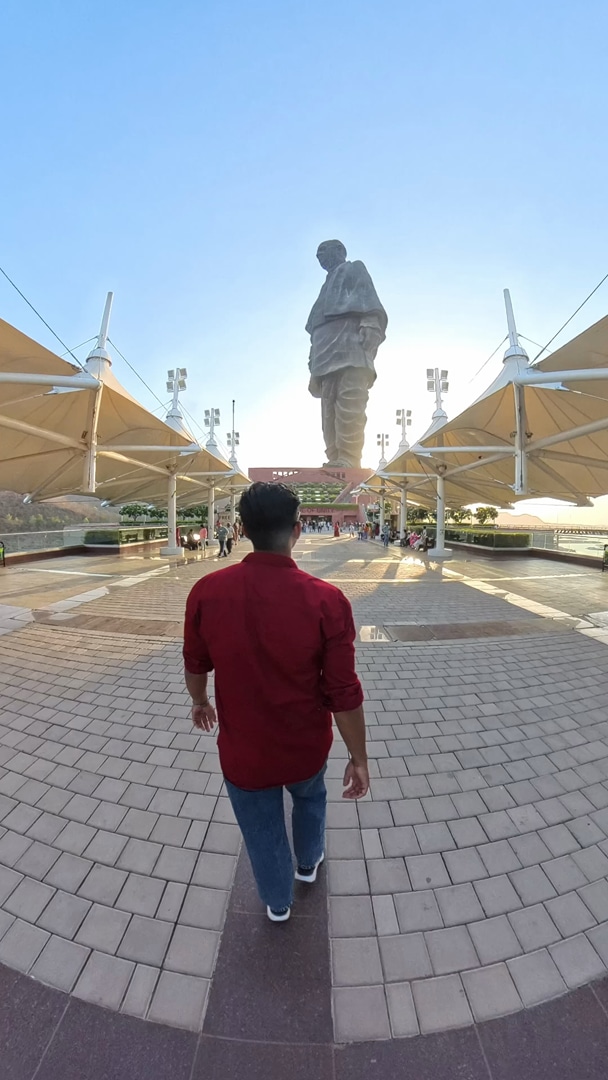
I see Narmada as a district in Gujarat, India, renowned for its significant natural landscapes and monumental landmarks. It is primarily known as the home of the Narmada River, which flows through the region, and the impressive Statue of Unity . This area combines elements of cultural heritage, spiritual importance, and modern engineering achievements.
Why people come here
Visitors are often drawn to Narmada for its diverse attractions. Many come to witness the grandeur of the Statue of Unity , which is a major draw. Others explore the surrounding natural beauty, including the Narmada River and its associated projects like the Sardar Sarovar Dam . The region also offers a glimpse into tribal cultures and spiritual sites.
What to expect
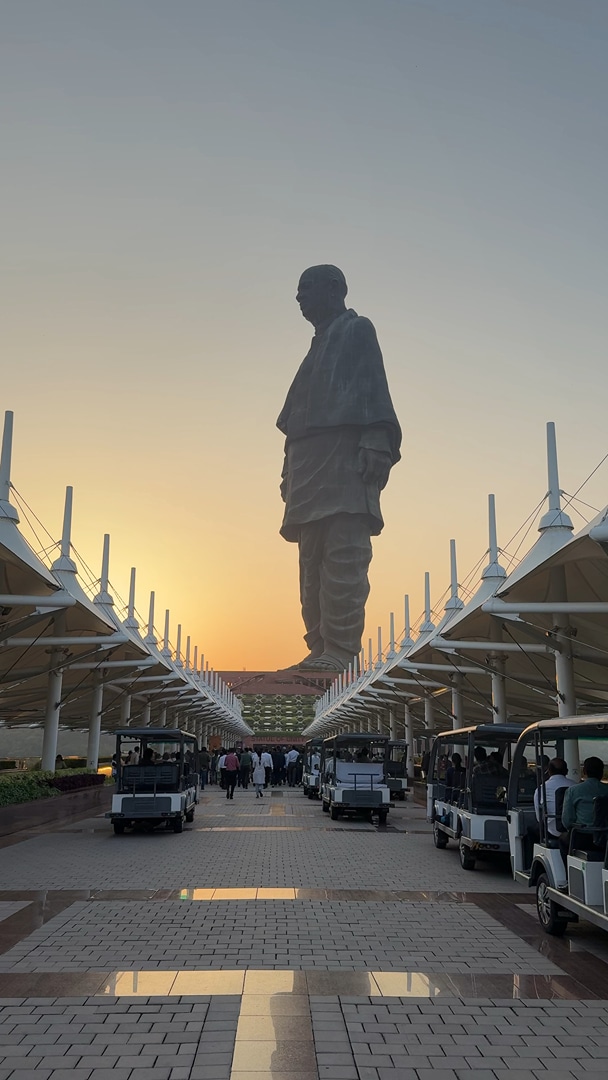
You can expect a blend of awe-inspiring man-made structures and serene natural environments. The area around the Statue of Unity can be quite bustling, especially during peak tourist seasons, with various activities and facilities. Away from these central attractions, you’ll find quieter spots, such as parts of the Shoolpaneshwar Wildlife Sanctuary , offering opportunities for nature appreciation.
Best time to go
I find the cooler months, typically from October to March, are generally the most comfortable for visiting Narmada. The weather during this period is pleasant, making it ideal for outdoor activities and sightseeing. The summer months can experience high temperatures, which might make extensive exploration less enjoyable.
Practical info
Exploring the major attractions like the Statue of Unity and its surrounding area can typically require a full day. For other natural sites or local villages, travel times and duration of visit can vary. While public transport options are available, hiring a private vehicle might offer more flexibility for exploring the wider district at your own pace.
Good to know
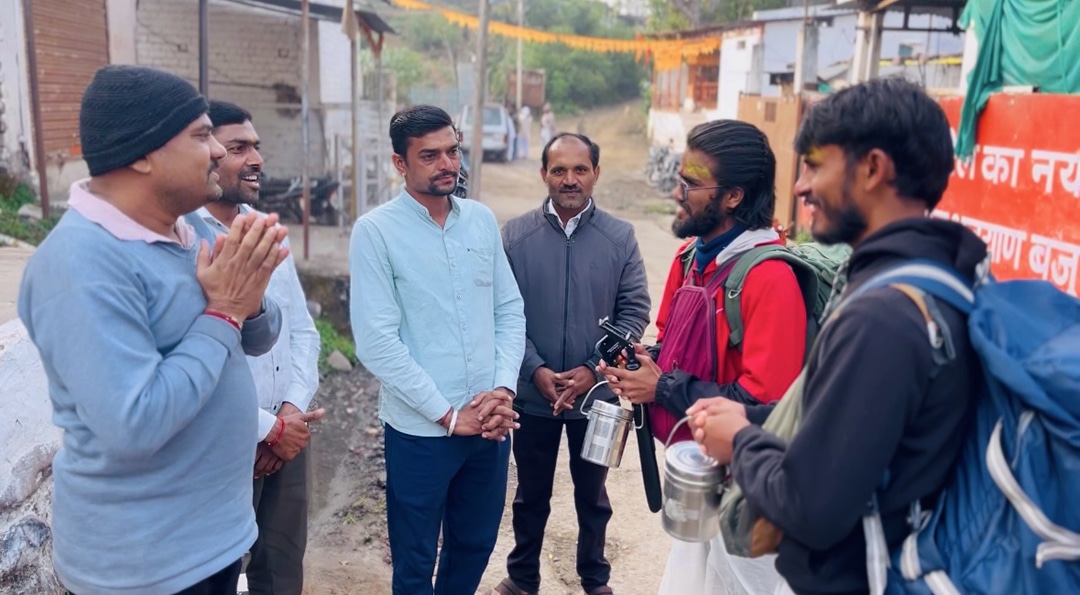
The Narmada River holds immense spiritual significance for many, often considered a holy river. The district is also home to various tribal communities, and being respectful of local customs and the environment, particularly in natural and tribal areas, is always a good practice.