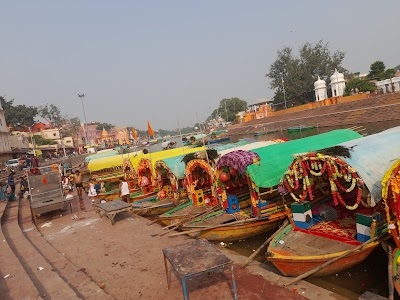
Pilgrimage town – This is Chitrakut, a revered pilgrimage town nestled in the Vindhya Range, straddling the borders of Uttar Pradesh and Madhya Pradesh in India. It holds immense spiritual importance, particularly in Hindu traditions, as a place of ancient history and deep faith.
Why people come here
Spiritual journey – Many people visit Chitrakut as part of their spiritual journey, seeking solace and blessings. It's a place where history and mythology intertwine, attracting devotees, history enthusiasts, and those looking for a tranquil escape into nature.
Spiritual and cultural significance
Ramayana connection – Chitrakut is profoundly significant as the place where Lord Rama, Sita, and Lakshmana spent eleven and a half years of their fourteen-year exile. This connection makes it a sacred land, with various sites linked to episodes from the Ramayana. The Mandakini River is also considered holy here, believed to have been formed by the tears of Sita.
What to expect
Devotional atmosphere – I find that visitors here can expect a deeply devotional atmosphere, especially around the ghats and temples. The pace of life is generally calm, punctuated by the sounds of hymns and temple bells. It can get quite busy during major festivals and religious observances.
Best time to go
Cooler months – The ideal time to visit Chitrakut is typically during the cooler, drier months, from October to March. This period offers pleasant weather for exploring the various sites comfortably, avoiding the intense summer heat and monsoon rains.
Practical info
Modest attire – When visiting temples and holy sites, I recommend dressing modestly as a sign of respect. Many areas involve walking, sometimes barefoot, especially during circumambulations like the one around Kamadgiri Parvat .
Good to know
Mythological tales – Chitrakut is rich with mythological tales and legends associated with each site. Engaging with local guides or learning about these stories beforehand can greatly enhance your understanding and experience of this sacred landscape.