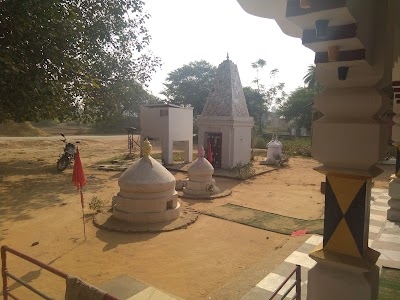
Shrine/Temple – I can tell you this is a local shrine or temple, most likely dedicated to Goga Pir, a revered folk deity in various parts of India. It serves as a significant spiritual and community focal point for the residents of Mahua Kheri.
Why people come here
Devotion/Blessings – People typically visit Goga Madi to offer prayers, seek blessings, or fulfill vows. It's a place for spiritual solace, quiet contemplation, and often a gathering spot for community members, especially during religious observances.
Spiritual or cultural significance
Folk Deity – Goga Pir is widely worshipped as a snake deity and a protector against snake bites, particularly in rural areas. This Madi holds deep cultural significance as a site for traditional rituals and celebrations, especially during festivals like Goga Navami.
What to expect
Peaceful/Community – You can generally expect a serene and often humble atmosphere, reflecting the local traditions and devotion. Crowd levels typically vary, being more active during special prayer times or festivals, and quieter on regular days. It's a place where you can observe local religious practices and community interaction.
Visitor etiquette
Respectful Conduct – When visiting, it's customary to dress modestly, ensuring shoulders and knees are covered as a sign of respect. Photography may be permitted, but I advise observing local customs and asking if you are unsure. Maintaining a quiet and reverent demeanor, especially during prayers or rituals, is always appreciated.
Practical info
Local Access – Access to Goga Madi is generally straightforward for locals and visitors alike. It typically functions as an open place of worship. Specific timings for daily prayers or rituals might vary, but it's usually accessible during daylight hours. Parking might be informal, depending on its specific location within Mahua Kheri.
Good to know
Local Customs – I find that understanding local customs can truly enrich your visit. Observing how devotees interact with the shrine and participating respectfully in any offerings or practices, if you feel comfortable, can provide a deeper insight into the local culture and faith.