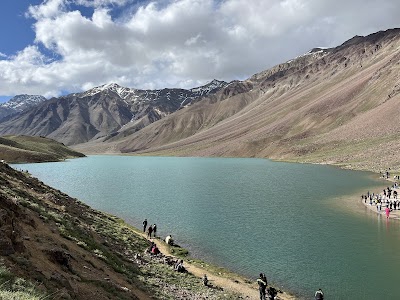
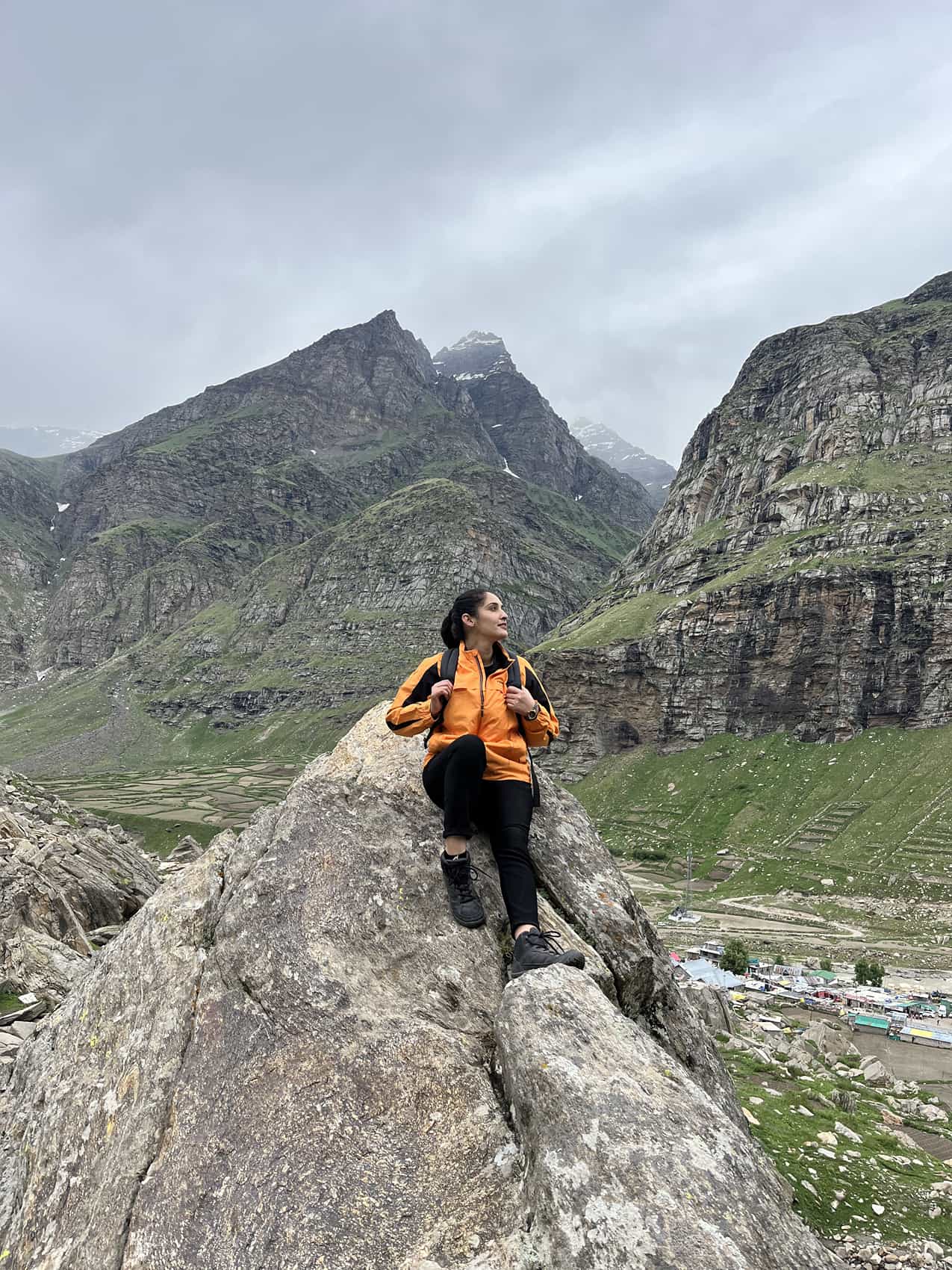
High-altitude desert valley – I see Spiti Valley is a cold desert mountain valley located high in the Himalayas. It’s known for its stark, beautiful landscapes, ancient monasteries, and remote villages. This region is often referred to as "Little Tibet" due to its cultural similarities with Tibet.
Why people come here
Adventure and spirituality – People typically visit Spiti for its unparalleled natural beauty, adventure activities like trekking and motorbiking, and to experience its unique Buddhist culture and spiritual serenity. It's a destination for those seeking solitude and a connection with nature.
What to expect
Remote and rugged – Here’s what you can expect: a rugged, high-altitude terrain with sparse vegetation, deep valleys, and towering snow-capped peaks. The atmosphere is generally tranquil and serene, with clear skies, especially during the warmer months. The air is thin, and the weather can change rapidly.
Best time to go
Summer and early autumn – The best time to visit Spiti is generally from June to September. During these months, the weather is relatively mild, and the roads from Manali and Shimla are usually open. Winter brings heavy snowfall and extreme cold, making many areas inaccessible.
Practical info
Altitude sickness awareness – Given the high altitude, it’s important to acclimatize properly to avoid altitude sickness. I recommend carrying sufficient warm clothing, even in summer, and staying hydrated. Mobile network connectivity can be intermittent or non-existent in many areas.
Good to know
Cultural sensitivity – Spiti is rich in Buddhist culture. When visiting monasteries or local homes, it’s good to observe local customs, such as removing your shoes before entering religious spaces and dressing modestly. Many villages rely on tourism, so supporting local businesses is a great way to engage with the community.