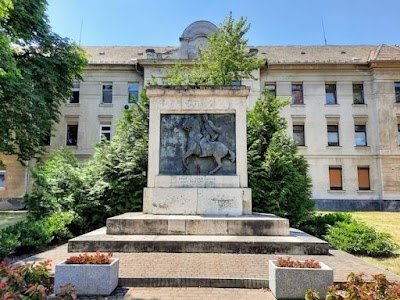
Historic City – Komárom is a historic city nestled on the banks of the Danube River, forming a unique twin-city complex with its Slovakian counterpart across the water. I see it as a gateway where history truly comes alive.
Why people come here
Fortress Exploration – Many visitors come to explore the impressive Komárom Fortress System, one of Europe's largest and most significant military fortifications. It's a fascinating journey through centuries of strategic defense. You can also delve into the city's rich history and enjoy its relaxed border-town ambiance.
What to expect
Historical Immersion – Here's what I gather you can expect: a deep dive into military history, particularly within the vast fortresses. The atmosphere is generally quiet and reflective, offering a contrast to bustling tourist hubs. It's suitable for history buffs, explorers, and those seeking a peaceful cultural experience.
Key highlights
Fortress System – The most prominent feature is the Komárom Fortress System, including the formidable Monostori Erőd and Csillag Erőd . These offer extensive grounds and exhibition spaces detailing their past.
Danube River – The scenic Danube River itself provides pleasant views and opportunities for riverside strolls, connecting the Hungarian and Slovakian sides of the city.
Best time to go
Mild Seasons – I find that spring (April-May) and autumn (September-October) typically offer the most pleasant weather for exploring Komárom. These seasons avoid the intense summer heat and the colder, sometimes damp, winter months, making outdoor activities more enjoyable.
Good to know
Cultural Birthplace – Komárom holds the distinction of being the birthplace of Ferenc Lehár, the world-renowned operetta composer. The city also features thermal baths, providing a relaxing counterpoint to historical explorations.