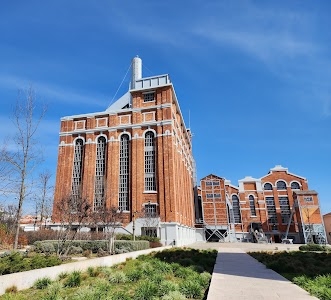
Historic Museum – This is a former thermoelectric power station that has been transformed into a museum, showcasing the history of electricity and industrial architecture. I find it to be a fascinating blend of heritage and science.
What is this place?
Industrial Museum – The Tejo Power Station is a prime example of early 20th-century industrial architecture, now home to the Museum of Art, Architecture and Technology (MAAT) . It once supplied electricity to Lisbon and the surrounding region.
Why people come here
History & Architecture – People visit to explore the impressive machinery that generated electricity, learn about industrial history, and admire the unique brick facade. It's also a popular spot for its connection to the MAAT, which hosts contemporary art exhibitions.
What to expect
Educational Experience – You can expect a journey through the evolution of electricity production, from the original boilers and turbines to interactive exhibits. The atmosphere is generally calm and educational, attracting a mix of history enthusiasts, families, and those interested in industrial heritage.
Historical background
Early 20th Century – This power station, originally known as Central Tejo, was built between 1908 and 1951. It operated for over 60 years, playing a crucial role in Portugal's industrial development before it was decommissioned and transformed into a museum in 1990.
Key highlights
Machinery & Exhibits – Don't miss the enormous boiler room with its intricate pipework and the powerful turbines. The museum also features temporary exhibitions that delve into various aspects of science and technology.
How much time to spend
2-3 Hours – I recommend setting aside about 2 to 3 hours to fully explore the Tejo Power Station and its exhibits comfortably. This allows enough time to read the information and appreciate the scale of the machinery.
Good to know
Combined Ticket – Your ticket to the Tejo Power Station often includes access to the MAAT , allowing you to experience both the historical and contemporary aspects of the site.