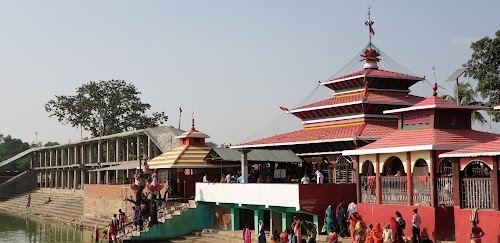
Sacred Temple – This is a revered Hindu temple dedicated to Goddess Chinnamasta, a form of the Divine Mother. It's a significant pilgrimage site, particularly for devotees of the Shaktism tradition.
Why people come here
Devotion & Blessings – People primarily visit for religious pilgrimage, to offer prayers, seek blessings from the goddess, and participate in various rituals. Many come to fulfill vows or for spiritual solace.
Spiritual or cultural significance
Powerful Shakti Peeth – The temple is considered one of the Shakti Peeths, sites where body parts of the goddess Sati are believed to have fallen. It holds immense spiritual power and is central to the local culture and faith. The goddess Chinnamasta is depicted as a self-decapitated deity, symbolizing self-sacrifice and the cycle of creation and destruction.
Visitor etiquette
Respectful Conduct – Visitors are expected to dress modestly, covering their shoulders and knees. Photography inside the main sanctum might be restricted, so it's best to observe signs or ask. Maintain a quiet and respectful demeanor, especially during prayer times. Removing shoes before entering the temple premises is customary.
What to expect
Vibrant Atmosphere – Expect a bustling and devotional atmosphere, especially during festivals. The temple complex can be crowded, with devotees performing various pujas and offerings. The air is often filled with the scent of incense and the sounds of chants.
Best time to go
Festivals & Mornings – The temple is particularly vibrant during festivals like Dashain and Chhath. Early mornings are generally less crowded for those seeking a more serene experience, though the temple is active throughout the day.
Practical info
Offerings Available – You'll find vendors outside the temple selling offerings like flowers, incense, and prasad. There are typically facilities for shoe storage. Parking can be limited, especially on busy days.