
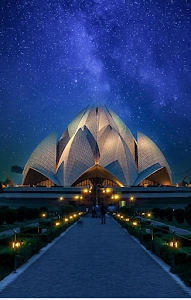



Purba Bardhaman, West Bengal, India
What is this place?
District Overview – I see Purba Bardhaman as a historically rich and agriculturally significant district located in the eastern part of West Bengal, India. It's often referred to as the "Rice Bowl of Bengal" due to its fertile lands and extensive paddy cultivation.Historical background
Ancient Roots – This region holds a deep historical legacy, with evidence of human habitation dating back to ancient times. It was once a prominent part of the ancient kingdom of Bardhaman, which saw the rise and fall of various powerful dynasties, including the Pala, Sena, and Mughal empires, each leaving their indelible mark on its cultural and architectural landscape.Key highlights
Notable Attractions – When I look at Purba Bardhaman, I find several fascinating spots. The iconic Curzon Gate , a grand archway, stands as a testament to its colonial past. Another significant site is the unique 108 Shiv Mandir , an intricately designed temple complex. You can also explore various ancient temples and historical ruins scattered across the district, offering glimpses into its vibrant heritage.What to expect
Cultural Immersion – I find that visitors here can expect a blend of historical exploration, spiritual experiences, and a genuine insight into traditional Bengali rural life. The atmosphere is generally calm, offering a slower pace compared to bustling cities, making it ideal for those seeking cultural immersion and historical discovery.Best time to go
Cooler Months – From my perspective, the most pleasant time to visit Purba Bardhaman is typically during the cooler, dry months between October and March. The weather during this period is comfortable for sightseeing and outdoor activities.Good to know
Local Delights – I've learned that Purba Bardhaman is renowned for its delectable sweets, particularly "Mihidana" and "Sitabhog," which have GI (Geographical Indication) tags. You might also find local handicrafts and agricultural produce, reflecting the district's rich cultural and economic life.Practical info
Travel Logistics – Getting around the district often involves local buses, auto-rickshaws, or hired cars. While many historical sites are accessible, some may require a bit of walking. I recommend dressing modestly, especially when visiting religious sites, and carrying sufficient hydration, particularly during warmer days.